
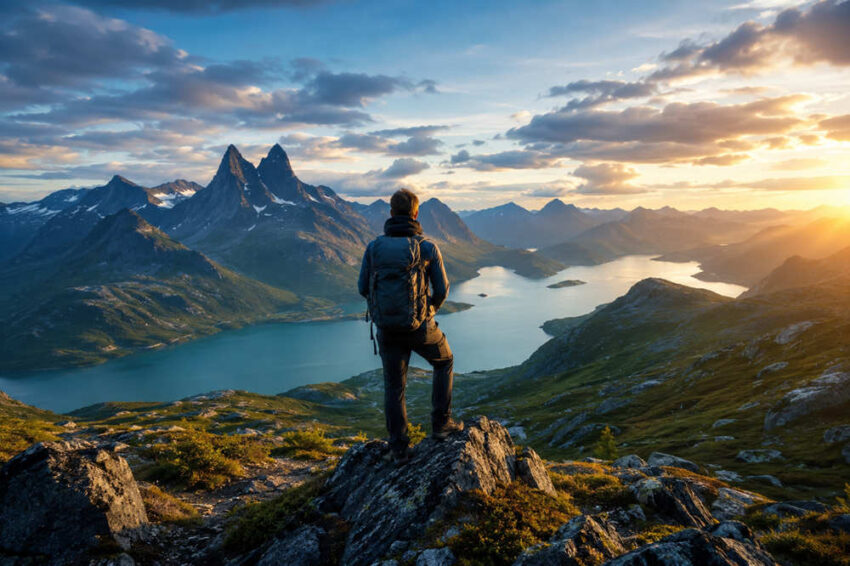
Some trips are pleasant, easy, and quickly folded into memory. Others stay with you because they ask you to move differently, pay closer attention, and experience a place with more curiosity than a standard vacation allows.
That is the appeal of adventure travel beyond the ordinary. It is not only about climbing mountains, crossing deserts, or chasing danger. It can be a quiet night under dark skies, a guided walk through a historic village, a cycling route between small towns, a wildlife trip led by local experts, or a slow journey through landscapes that feel larger than everyday life.
The best adventure trips are built around curiosity, preparation, and respect. They give travelers more than a photo opportunity. They create a story.
What Makes a Trip Feel Beyond Ordinary?
A trip feels beyond ordinary when it gives you something to participate in, not just something to look at. Instead of moving from one attraction to another, you become part of the rhythm of the place.
That might mean hiking a coastal trail in Atlantic Canada, joining a food walk in a historic market, kayaking along a quiet shoreline, taking a rail-and-nature trip through the Canadian Rockies, or learning from a guide who can explain the land, wildlife, and culture around you.
Adventure does not have to mean hardship. A comfortable walking trip through wine country can be just as memorable as a demanding mountain trek if it helps you feel more connected to the landscape and the people who live there.
What matters most is depth. A trip becomes unforgettable when it changes your pace, stretches your routine, and gives you a stronger sense of where you are.
Adventure Travel Is More Than Extreme Sports
Adventure travel is often associated with rafting, rock climbing, skiing, or glacier trekking. Those experiences fit the category, but they do not define it completely.
The Adventure Travel Trade Association describes adventure travel as a blend of nature, culture, and physical activity. That wider definition makes the idea more accessible. Birdwatching, surfing, culinary exploration, language learning, hiking, cycling, wildlife viewing, kayaking, and cultural immersion can all be part of an adventure-focused trip.
This broader view is useful because many travelers want something active and meaningful without needing an extreme expedition. A week of walking village paths, eating in family-run restaurants, and learning local history can offer a richer experience than rushing through several famous cities in a few days.
The point is not how difficult the trip looks on paper. The point is whether it helps you engage with a destination in a more memorable way.
Choose the Right Level of Adventure
A successful adventure trip should feel exciting, not overwhelming. Before choosing a destination, think honestly about your comfort level, fitness, budget, travel experience, and appetite for uncertainty.
Some travelers want gentle outdoor experiences with comfortable lodging. Others want long days, remote routes, and physical challenge. Neither choice is better. The right adventure is the one you can enjoy safely and fully.
Soft Adventure
Soft adventure is ideal for travelers who want a more memorable trip without committing to a difficult expedition. It usually includes moderate activity, guided support, comfortable places to stay, and enough flexibility to rest when needed.
Good examples include scenic day hikes, beginner kayaking, national park trips, food-and-walking tours, rail journeys, guided nature walks, hot springs, birding, and easy cycling routes. A soft adventure might mean exploring the Cotswolds on foot, taking a gentle bike route through the Loire Valley, or planning a national park trip with short hikes and scenic drives.
This style works well for families, older travelers, first-time adventure travelers, couples with different fitness levels, or anyone who wants nature and culture without giving up comfort.
Active Adventure
Active adventure adds more movement and requires more preparation. These trips may involve multi-day trekking, hut-to-hut hiking, cycling holidays, rafting, sailing, ski trips, desert camping, or wildlife safaris with early mornings and long days outdoors.
The reward is often a stronger sense of accomplishment. Walking or cycling through a region changes the way you understand distance. You notice the weather, the terrain, the meals, the quiet stretches, and the small changes between one place and the next.
Examples might include hut-to-hut hiking in the Alps, cycling in New Zealand, trekking in Peru, or sailing between islands in Greece. These trips do not need to be extreme, but travelers should understand the daily pace, elevation, weather, guide support, and gear requirements before booking.
Remote or Transformational Travel
Remote and transformational trips are often built around solitude, reflection, rare landscapes, or deeper cultural encounters. They may include wilderness lodges, dark-sky destinations, long-distance trails, spiritual retreats, conservation trips, or cultural expeditions led by local experts.
These journeys can feel powerful because they remove you from ordinary routines. A few days away from constant screens, traffic, and packed schedules can make the experience feel larger than a vacation.
Remote travel also asks for more care. Weather, transportation, medical access, communication, local customs, and emergency planning matter more when services are limited. The farther you travel from familiar infrastructure, the more important preparation becomes.
Epic Travel Ideas That Go Beyond the Usual Vacation
An epic adventure does not have to follow one formula. Some travelers want movement. Others want wildlife, food, silence, water, culture, or a sense of awe. The strongest trips often combine several of these elements in a way that feels natural.
Stargazing and Dark-Sky Trips
Stargazing trips remind travelers that adventure does not only happen in daylight. Remote deserts, mountain regions, islands, wilderness parks, and northern destinations can offer night skies that feel completely different from what many people see at home.
A dark-sky trip might include an observatory visit, a guided astronomy walk, a desert camp, a northern lights journey, or a cabin stay far from city lights. Places such as the American Southwest, Chile’s Atacama Desert, Namibia, and parts of northern Canada are often associated with dramatic skies and low light pollution.
DarkSky International describes responsible astrotourism as travel centered on starry skies and celestial events while also protecting nighttime environments and respecting local knowledge. That matters because the night sky itself is part of the destination.
Long-Distance Walking or Cycling Routes
Walking and cycling change the scale of travel. Instead of jumping from landmark to landmark, you move slowly enough to notice the texture of a place: the sound of church bells, the smell of rain on a trail, the rhythm of small towns, and the way food changes from one region to the next.
Long-distance routes can be gentle or demanding. Some travelers choose inn-to-inn walking holidays with luggage transfers. Others prefer mountain trails, coastal paths, countryside cycling, pilgrimage routes, or multi-day bikepacking trips.
Coastal walking in Ireland or Portugal, cycling through the Netherlands, hiking in the Dolomites, or following a historic pilgrimage route can turn the journey itself into the main experience. The appeal is not only fitness. It is the feeling of arriving somewhere under your own power.
Wildlife and Nature Expeditions
Wildlife travel can be unforgettable when it is done with patience and respect. Safaris, whale watching, birding trips, rainforest walks, polar cruises, turtle nesting experiences, and conservation-focused tours can bring travelers close to the natural world in a way ordinary sightseeing rarely does.
Examples might include whale watching in Atlantic Canada, birding in Costa Rica, safari travel in Kenya, marine life trips in the Galápagos, or polar bear viewing near Churchill, Manitoba. The best experiences are not rushed. They leave room for waiting, listening, and understanding the habitat.
A responsible wildlife trip should keep a safe distance, follow local rules, use trained guides, and avoid activities that involve touching, feeding, chasing, or crowding animals. Wildlife should never be treated as a prop for a photo.
Cultural Adventures
Cultural adventure is one of the most rewarding ways to travel beyond the ordinary. Instead of treating culture as a quick performance or photo stop, it invites travelers to understand how people live, celebrate, cook, build, remember, and pass down stories.
This might include Indigenous-led tourism, food traditions, craft workshops, village stays, music festivals, heritage routes, language learning, architecture walks, or guided visits to historic places. These experiences are strongest when local people shape the story being told.
The UNESCO World Heritage and Sustainable Tourism Programme emphasizes the connection between tourism, heritage protection, and local communities. For travelers, that is a reminder that the most meaningful places are often the ones that require the most care.
Water-Based Adventures
Water gives adventure travel a different rhythm. Kayaking through calm channels, sailing between islands, snorkeling over a reef, rafting a river, or following a coastal trail can make a trip feel open, active, and alive.
Water-based trips range from beginner-friendly to highly technical. A guided lake paddle is very different from a multi-day sea kayaking expedition or remote sailing journey. Before booking, travelers should be honest about swimming ability, weather comfort, safety equipment, and guide experience.
These trips are often more rewarding when they include time to understand the water itself. Tides, currents, marine life, fishing traditions, coastal communities, and conservation issues can all add depth to the experience.
Wellness and Restorative Adventure
Not every adventure needs to leave you exhausted. Some of the best trips beyond the ordinary combine movement, nature, and rest. A walking retreat, forest bathing experience, mountain lodge stay, thermal bath trip, yoga-and-hiking itinerary, or unplugged cabin escape can feel adventurous in a quieter way.
This style of travel works well for people who are tired of packed itineraries. Instead of rushing from one attraction to another, the trip creates space to breathe, walk, sleep well, eat slowly, and notice where you are.
A sunrise walk, a cold-water swim, a quiet forest trail, or a slow meal after a day outdoors may become the part of the trip you remember most.
How to Plan an Adventure That Matches Your Travel Style
A great adventure trip begins before the booking page. Start by deciding what you want most from the experience. Is it challenge, comfort, solitude, cultural learning, wildlife, food, scenery, photography, movement, or rest?
Once the purpose is clear, the practical choices become easier. A traveler looking for quiet restoration may not enjoy a packed group itinerary with early starts every day. A traveler who wants physical challenge may feel disappointed by a trip that spends too much time in buses and hotels.
Fitness level is one of the most important details. Tour descriptions can make activities sound easier than they feel in real weather and terrain. Look at daily mileage, elevation gain, altitude, trail surface, heat, humidity, and how many rest days are included.
Season matters too. A destination that looks perfect in photos may be difficult during rainy season, wildfire season, hurricane season, extreme heat, or winter road closures. Shoulder seasons can bring smaller crowds and better prices, but they may also come with unpredictable weather.
For remote or physically active trips, check how far you will be from medical care, whether cell service is reliable, and what emergency support is available. This matters even on trips that look beginner-friendly because weather, terrain, altitude, and transportation delays can change quickly.
Travel insurance deserves careful attention. The U.S. Department of State notes that insurance can help with medical coverage abroad, evacuation, trip cancellation, and other costly travel problems. The CDC Yellow Book also warns that some policies may exclude wilderness rescue or adventure sports such as diving, mountaineering, and skiing unless extra coverage is added.
Gear should support the trip, not overwhelm it. Good footwear, weather-appropriate layers, sun protection, a reusable water bottle, basic first aid, and reliable luggage are often more useful than overpacking specialized equipment. For guided trips, ask what is provided and what you need to bring yourself.
Budget should include more than flights and lodging. Adventure travel can involve permits, park fees, guide fees, gear rental, transfers, insurance, tips, vaccinations, and backup transportation. A realistic budget reduces stress once the trip begins.
Why Local Guides Can Make the Experience Better
Local guides can turn a beautiful trip into a more meaningful one. They know the routes, weather patterns, safety concerns, cultural expectations, wildlife behavior, and stories that visitors often miss.
In outdoor settings, a guide can help travelers make better decisions. They may know when to turn back, where conditions change quickly, how to avoid damaging fragile areas, and how to respond if something goes wrong.
In cultural settings, a good guide adds context. A building becomes more than architecture. A meal becomes more than food. A trail becomes more than a path. The traveler begins to understand how people live, what has changed, what is protected, and what should be approached with respect.
Hiring local guides can also keep more tourism money in the community. Independent travel can be wonderful, but for remote landscapes, wildlife experiences, heritage places, and culturally sensitive destinations, local knowledge often makes the journey safer and richer.
Responsible Adventure Travel Matters
Adventure travel often depends on places that are beautiful because they are fragile. Mountains, deserts, reefs, forests, historic villages, sacred sites, and wildlife habitats can all be damaged by careless tourism.
UN Tourism defines sustainable tourism as travel that considers economic, social, and environmental impacts while addressing the needs of visitors, the industry, the environment, and host communities. That balance is especially important in adventure travel because the landscape and local culture are often the main reason people visit.
Responsible travel begins with simple choices. Stay on marked trails. Pack out trash. Respect wildlife. Keep noise low in natural areas. Follow fire rules. Ask before photographing people. Learn basic local customs. Support local businesses when possible. Choose operators that are transparent about safety, environmental practices, and community relationships.
The Leave No Trace Seven Principles offer a practical framework for reducing outdoor impact, including planning ahead, traveling on durable surfaces, disposing of waste properly, leaving what you find, minimizing campfire effects, respecting wildlife, and being considerate of others.
Responsible adventure does not make a trip less exciting. It makes the experience more thoughtful. The goal is not only to have a memorable journey, but to help protect the places that make the journey possible.
Final Thoughts
Epic adventure travel beyond the ordinary is not about chasing the hardest route, the farthest destination, or the most dramatic photograph. It is about choosing a trip that feels alive.
That might mean walking for days through changing landscapes, learning from a local guide, watching wildlife in silence, paddling through calm water, sleeping under dark skies, or slowing down long enough to feel restored by nature.
The best adventure trips leave you with more than photos. They give you stories, confidence, perspective, and a deeper connection to the world. With the right planning and a respectful mindset, travel beyond the ordinary can be thrilling, grounding, and unforgettable all at once.