
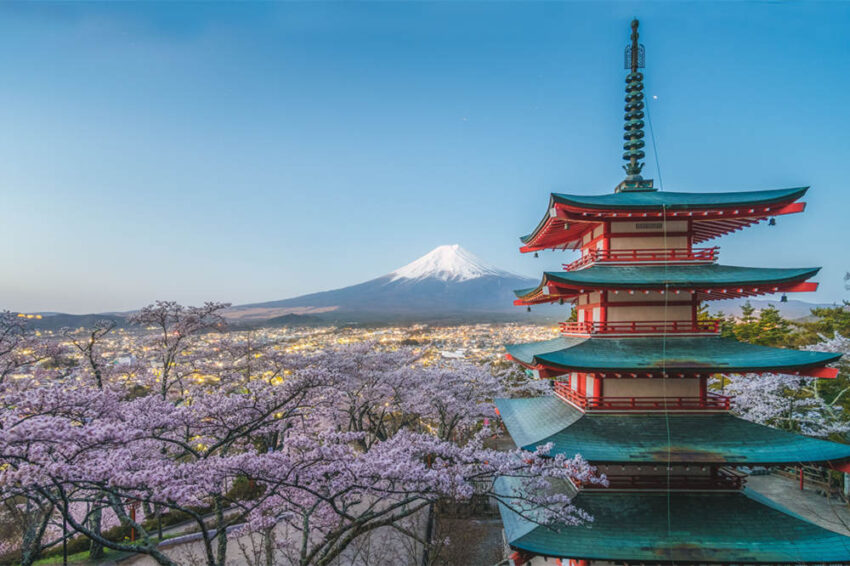
Japan is not always as expensive as people expect. The timing of your trip can make a big difference, especially if you are flexible about weather, scenery, and major holiday periods. The cheapest time to travel to Japan is usually after the New Year rush, with late January and February often offering some of the best overall value.
That said, “cheap” depends on more than airfare. Hotel prices, local holidays, weather, crowds, train routes, and the cities you visit all affect the final cost. A low flight price can be less helpful if hotels are expensive, while a quieter travel month can save money even if airfare is not at its lowest.
The Cheapest Time to Travel to Japan
For most budget travelers, late January through February is the strongest window for lower overall costs. The New Year holiday rush has usually passed, major spring crowds have not arrived, and many city hotels are easier to book at reasonable rates.
This period is especially good for travelers who want Tokyo, Osaka, Kyoto, food, shopping, museums, temples, and hot springs rather than warm-weather sightseeing. The weather is cold, but the trade-off can be fewer crowds and better value.
Current U.S.-to-Tokyo flight data from KAYAK lists January as the cheapest average month for round-trip flights in its dataset, while February is listed as the cheapest average month for one-way flights. Prices still vary by route, airline, airport, booking date, and travel length, so travelers should treat this as a useful guide rather than a fixed rule.
Early June and early to mid-September can also offer value, but they come with clearer weather trade-offs. June can be rainy, while September can be hot, humid, and affected by typhoons. These months are best for flexible travelers who care more about total trip value than perfect weather.
Why Winter Is Often the Best Value Season
Winter is one of the most practical seasons for saving money in Japan because demand is usually softer after the New Year period. Japan’s official January travel guide notes that prices can be higher and booking options more limited around New Year, especially for hotels, planes, and trains. Once that rush fades, late January and February often become easier months for budget planning.
Winter also fits many of Japan’s most rewarding experiences. Cities are still easy to explore, ramen and hot pot feel especially satisfying, and hot springs are at their best in cold weather. A winter trip can also include illuminations, snowy scenery, and quieter temple visits.
February is a particularly good month for travelers who do not mind packing a warm coat. Tokyo and Osaka remain active, Kyoto’s temples feel calmer than they do in spring, and onsen towns can feel more atmospheric. Travelers interested in snow can look toward Hokkaido, Nagano, Niigata, or Tohoku.
Winter is not automatically cheap everywhere, though. Popular ski resorts, famous snow festivals, and well-known hot spring towns can become expensive, especially on weekends. For better value, consider weekday stays, smaller onsen areas, or a route that balances one winter destination with several lower-cost city nights.
The Cheapest Warm-Weather Windows
Travelers who do not want a winter trip can look at early June or early to mid-September. These months are not always the cheapest for airfare, but they can be better value than Japan’s most popular spring and autumn periods.
June works best for travelers who plan to spend time in cities. Tokyo, Osaka, Kyoto, Hiroshima, Fukuoka, and Nagoya all have plenty to do even when the weather is not ideal. Food halls, cafes, museums, covered shopping streets, temples, department stores, and short train trips can keep the itinerary enjoyable.
The trade-off is rain. Japan’s official June guide describes the month as the start of the rainy season, with more rainfall as the season moves upward through the country. That makes June a better choice for flexible travelers than for those planning a trip around mountain views, long hikes, or outdoor photography every day.
September offers a different kind of value. Summer holidays are over, so many beaches and tourist areas become less crowded. Japan’s official September guide also notes that typhoons are most frequent from late August through much of September, so this is not a month for rigid planning.
A September trip can still work well if the schedule has breathing room. Avoid too many one-night stays, leave space around long-distance train days, and watch official weather updates from the Japan Meteorological Agency if storms are active. Travel insurance may be worth considering when flights, tours, or hotels are nonrefundable.
The Most Expensive Times to Visit Japan
The most expensive times to visit Japan are usually the periods when seasonal scenery, national holidays, and domestic travel demand overlap. These are beautiful times to go, but they are harder for budget travelers.
Cherry blossom season is one of the biggest price peaks. Late March to early April can bring high hotel demand in Tokyo, Kyoto, Osaka, and other popular destinations. Blossom timing changes by region and year, so travelers often compete for the same limited dates in the same famous places.
Golden Week is another major travel crunch. Japan’s official May guide says the holiday period from the end of April to the beginning of May brings packed trains and hotels, and travelers who must visit during that first week of May should book early.
August can also be costly in certain places because of summer holidays, festivals, fireworks, and Obon-related travel. Even when prices are not at their highest, the heat and humidity can make a packed first-time itinerary more tiring.
Autumn foliage season is another popular and often expensive window, especially in Kyoto and other famous leaf-viewing areas. November brings beautiful weather and color across much of Japan, but the most scenic destinations can book up quickly.
Late December through early January is also difficult for budget travel. Japan’s official December guide notes that the New Year period is busy and expensive, with some businesses closing for several days. Travelers who want a winter trip usually find better value later in January.
How Airfare and Hotel Prices Move Differently
Airfare and hotel prices do not always rise and fall together. A cheap flight can still lead to an expensive trip if hotels are high, and a slightly more expensive flight can be worth it if accommodation is much cheaper.
This is why total trip cost matters more than the ticket alone. A traveler may find a good fare in September, but a storm could disrupt a tight itinerary. Another traveler may pay slightly more for a February flight but save on hotels, restaurants, and attractions because the trip falls outside peak season.
Departure city also matters. Flights from Los Angeles, San Francisco, Seattle, Vancouver, New York, Chicago, Dallas, Toronto, or Sydney can follow different price patterns. Tokyo is the most common gateway, but Osaka Kansai, Nagoya Chubu Centrair, Fukuoka, and Sapporo may also be worth comparing depending on the route.
Flexible-date tools are useful because Japan fares can shift sharply from one week to the next. Google Flights price tracking lets travelers monitor a route and receive updates when prices change significantly, including for flexible “any dates” searches.
Before choosing a month, compare the flight and hotel total together. A lower airfare month is not always the cheapest month once accommodation, local transport, and itinerary risks are included.
Month-by-Month Japan Travel Cost Guide
| Month | Cost Pattern | Best For | Watch Out For |
|---|---|---|---|
| January | High early, better later | Winter cities, illuminations, hot springs | New Year travel, limited bookings, ski-area demand |
| February | Often good value | Food trips, onsen, winter scenery, quieter cities | Ski resorts and winter festivals can raise prices |
| March | Rising | Early spring, plum blossoms, changing scenery | Late March cherry blossom demand |
| April | High | Cherry blossoms, gardens, mild weather | Peak spring crowds and higher hotel rates |
| May | High early, better later | Pleasant weather after Golden Week | Packed trains and hotels during Golden Week |
| June | Varies by route and city | City trips, food, museums, flexible itineraries | Rainy season; airfare is not always cheap |
| July | Moderate to high | Festivals, summer energy, mountain areas | Heat, humidity, school holiday demand |
| August | Moderate to high | Fireworks, festivals, summer travel | Heat, Obon travel, busy domestic routes |
| September | Moderate, with weather risk | Lower crowds after summer, flexible city trips | Typhoons, lingering heat, humidity |
| October | Moderate to high | Comfortable weather, early autumn travel | Popular dates and destinations can rise in price |
| November | High in popular areas | Autumn leaves, temples, gardens, day trips | Kyoto and famous foliage spots can be crowded |
| December | Lower early, high late | Winter lights, early winter city breaks | New Year travel rush from late December |
Best Budget Strategy by Trip Type
For a first-time Japan trip, late January, February, or early June usually offers the best balance of value and ease. Winter is better for travelers who want city sightseeing, food, temples, shopping, and hot springs. Early June is better for travelers who want warmer weather and can adjust plans around rain.
For a city-focused trip, February, June, and September can all work well. Tokyo and Osaka are especially flexible because much of the experience does not depend on perfect weather. Restaurants, cafes, museums, bookstores, department stores, observation decks, and train-friendly day trips can fill the schedule even when it rains.
For a hot spring trip, winter weekdays are often the best value. The experience feels seasonal, and ryokan stays are especially appealing in cold weather. To save money, avoid the most famous resort towns on weekends and compare smaller onsen areas connected by local rail or bus.
For cherry blossom travel on a budget, flexibility matters more than finding a secret cheap week. Instead of locking into Kyoto or Tokyo at peak bloom, consider less crowded cities, later-blooming northern regions, or destinations where accommodation is not as tight. Book early if spring scenery is the main goal.
For autumn travel on a budget, look beyond the most famous foliage spots. Late November in Kyoto can be stunning, but it is rarely the cheapest version of Japan. Regional cities, garden towns, and early December trips can offer seasonal atmosphere with fewer pricing pressures.
How to Save Money No Matter When You Go
Good timing helps, but smart planning can reduce costs in any season. Start by comparing several arrival airports if your itinerary allows it. Tokyo is convenient, but Osaka Kansai, Nagoya, Fukuoka, and Sapporo may make more sense for certain routes.
Check both flights and hotels before committing to dates. A cheap flight loses some of its value if every hotel in the right neighborhood is overpriced. This is especially important during cherry blossom season, Golden Week, autumn foliage, and New Year.
Weekday timing can also help. Friday and Saturday nights are often more expensive in Kyoto, Hakone, Nikko, hot spring towns, and resort areas. Moving a ryokan stay from Saturday to Monday or Tuesday can sometimes save more than changing airports.
Be careful with rail passes. The official Japan Rail Pass price page lists pass prices in Japanese yen and notes that local-currency prices can vary by exchange rate. Instead of assuming the pass will save money, compare the pass cost with the exact train trips you plan to take.
A slower route can also be cheaper. Rather than covering Tokyo, Kyoto, Osaka, Hiroshima, Kanazawa, Takayama, and Hokkaido in one trip, choose a tighter region and spend fewer days in transit. This lowers transportation costs and usually makes the trip feel less rushed.
Accommodation choices matter, too. Business hotels, capsule hotels, hostels, apartment-style stays, and hotels one or two train stops from the busiest districts can all reduce costs. The best budget hotel is not always the cheapest one on the map; it is the one that keeps daily transportation simple and avoids expensive last-minute changes.