
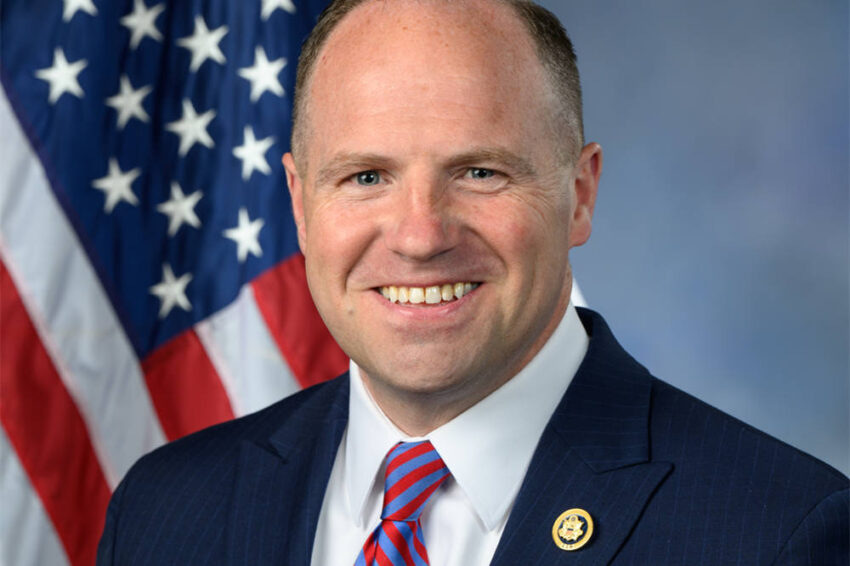
Tim Kennedy’s connection to Niagara is practical: he represents New York’s 26th Congressional District, which includes Niagara Falls and several nearby Niagara County communities. For local residents, his name may come up when they are looking for federal help, district office information, border-related issues, veterans’ services, or basic details about who represents Niagara Falls in Congress.
Who Is Tim Kennedy?
Timothy M. Kennedy is the U.S. Representative for New York’s 26th Congressional District. He was elected to the House of Representatives on April 30, 2024, and was sworn in as a member of Congress on May 6, 2024.
Kennedy is a lifelong Western New Yorker from Buffalo. Before serving in Congress, he represented Western New York in the New York State Senate, where his work included transportation, infrastructure, school bus safety, highway work-zone safety, and pedestrian and cyclist protections. His official biography also notes that he worked as an occupational therapist before his elected public-service career.
For readers in Niagara, the most important point is not simply his biography. It is that Kennedy’s congressional district includes Niagara Falls, giving residents a federal office to contact for certain issues involving U.S. agencies and congressional services.
How Tim Kennedy Is Connected to Niagara
New York’s 26th Congressional District is based in Western New York. Kennedy’s official district page lists Buffalo, Niagara Falls, Tonawanda, and North Tonawanda among the cities in the district. In Niagara County, the district also includes the towns of Lewiston, Niagara, Sanborn, Wilson, and Wheatfield.
That makes “Tim Kennedy Niagara” a meaningful local search. The connection is not about Niagara tourism or Niagara Falls history. It is about congressional representation for residents, businesses, organizations, and communities that fall within NY-26.
This also helps explain why residents may need to distinguish between different levels of government. A city issue, such as local road maintenance or municipal services, usually belongs with Niagara Falls City Hall. A county service may belong with Niagara County. A state agency issue may need a New York State office. Kennedy’s office is most relevant when the concern involves the federal government.
Tim Kennedy’s Niagara Falls District Office
Kennedy maintains a Niagara Falls district office for local constituent contact. The office is listed at:
Niagara Falls District Office
800 Main Street, Suite 3C
Niagara Falls, NY 14301
Phone: (716) 282-1274
The official office page lists the Niagara Falls office hours as Monday and Friday, 9 AM to 5 PM. Because office hours can change due to holidays, congressional schedules, weather, staffing, or district events, residents should confirm current details before visiting in person.
Calling ahead is especially useful if the matter involves documents, case numbers, agency letters, or a time-sensitive request. Staff may be able to explain whether the issue is something the congressional office can handle, what forms are needed, and whether an appointment is appropriate.
What Niagara Residents Can Contact His Office About
Kennedy’s office provides several constituent services. His official services page includes help with a federal agency, congressional commendations, flag requests, federal grant information, internships, presidential greetings, service academy nominations, and assistance with Washington, DC visits.
For many residents, the most important service is help with a federal agency. This may be relevant when someone is waiting for an answer from a federal office, has a delayed case, or feels they have not been treated fairly in a federal process. A congressional office cannot guarantee a result, change the law, force an agency to decide a case a certain way, or provide legal representation. It may, however, be able to ask for information, request a status update, or help a constituent understand the next step.
Federal agency matters may include issues involving Social Security, Medicare, veterans’ benefits, passports, the IRS, immigration casework, federal student aid, or other U.S. government departments. Residents should be prepared to provide basic details, timelines, case numbers, and any relevant letters. For privacy reasons, congressional offices often need written permission before contacting an agency about a personal case.
Why Niagara’s Border Location Matters
Niagara Falls is not just another city in the district. It is a border community with close ties to Canada, tourism, cross-border travel, and regional trade. That makes federal issues such as border management, transportation security, ports of entry, emergency response, and U.S.-Canada cooperation especially relevant locally.
Kennedy serves on the House Committee on Homeland Security, including the Subcommittee on Transportation and Maritime Security and the Subcommittee on Emergency Management and Technology. He also serves on the House Committee on Veterans’ Affairs. In addition, Kennedy co-chairs the bipartisan Northern Border Caucus, which focuses on issues facing border communities, including border management, wait times, travel, commerce, and cooperation with Canadian partners.
For Niagara residents, those assignments may matter when federal decisions affect border crossings, emergency preparedness, transportation systems, veterans’ services, or the broader Western New York economy. They do not mean every local concern is handled by Congress, but they help explain why Kennedy’s role may be relevant to Niagara beyond ordinary constituent services.
Who Should Niagara Residents Contact First?
The right office depends on the problem. If the issue involves a federal agency, Kennedy’s congressional office may be a reasonable place to start. If it involves city services, local property issues, municipal permits, policing, sanitation, or local roads, residents will usually need to contact Niagara Falls city offices. County-level services should go through Niagara County, while state matters may require a New York State agency or state representative.
When in doubt, residents can briefly describe the issue and ask which office is appropriate. A clear question saves time and helps staff point the person in the right direction.
How to Prepare Before Contacting the Office
Before calling, emailing, or visiting, it helps to gather the basic facts. Residents should write down the agency involved, the date the issue began, any case or reference numbers, and what outcome they are requesting. If they have letters, emails, notices, or forms from a federal agency, those documents may also be useful.
For event invitations, meeting requests, commendations, internships, and service academy nominations, the process may be different. Those requests usually require specific forms or deadlines, so readers should use the official website rather than relying on outdated third-party listings.
Bottom Line
Tim Kennedy’s connection to Niagara is straightforward: he represents the congressional district that includes Niagara Falls, and his office maintains a local district presence in the city. For residents, the most useful takeaway is knowing when his office may be able to help.
Niagara residents dealing with federal agency problems, congressional service requests, border-related concerns, veterans’ issues, or official meeting and event inquiries can start with Kennedy’s official website or Niagara Falls district office. As with any public office, details can change, so it is best to confirm current hours, forms, and contact instructions before making plans.
Featured Image Source: kennedy.house.gov