
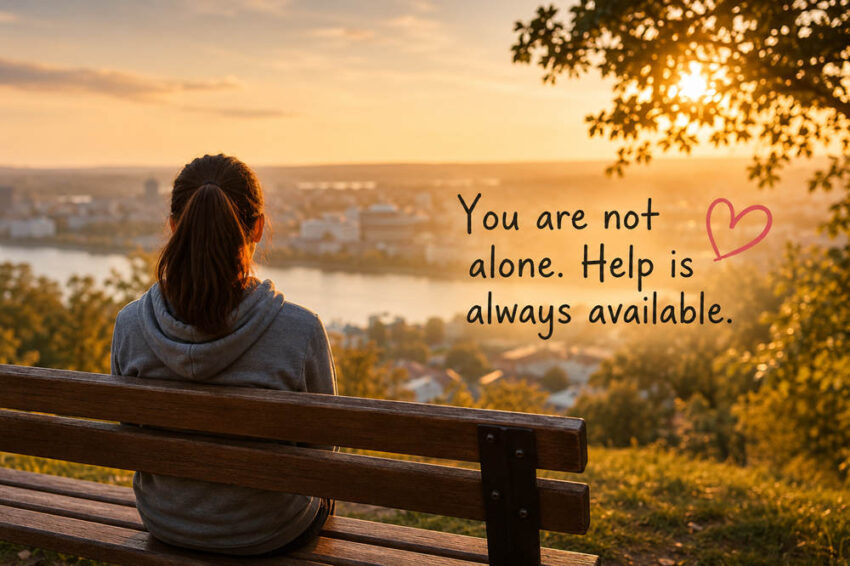
Suicide risk is complex. It is never caused by one single habit, one bad day, or one personal weakness. Mental health, trauma, chronic pain, substance use, isolation, financial stress, relationship problems, and access to care can all affect a person’s safety.
Still, everyday choices can help build protection. Stronger relationships, earlier mental health care, safer surroundings, better sleep, and healthier coping skills can reduce some risks and make it easier to get help before a crisis becomes urgent.
If you or someone nearby may be in immediate danger, call emergency services now. In Canada, call or text 9-8-8: Suicide Crisis Helpline. In the United States, call or text 988 Suicide & Crisis Lifeline, or use the online chat. Both services are designed for people in crisis and for people worried about someone else.
Quick Answer
Lifestyle choices that may help reduce suicide risk include staying connected to trusted people, getting mental health care early, limiting alcohol and drug misuse, improving sleep, moving regularly, practicing coping skills, creating a safer home during high-risk periods, and knowing when to ask for urgent help. These steps do not replace professional care, but they can strengthen a person’s support system and reduce danger during difficult times.
Suicide Prevention Is Not About Blame
Before discussing lifestyle choices, it is important to say this clearly: suicide prevention is not about blaming someone for their pain. A person who is struggling may be carrying more than others can see. They may feel trapped, exhausted, ashamed, numb, or unable to imagine life getting better.
Public health experts often talk about suicide prevention in terms of risk factors and protective factors. Risk factors may increase danger. Protective factors may help buffer a person from harm. The goal is not to find one simple cause. The goal is to reduce pressure where possible and build more support around the person.
Lifestyle changes can be part of that support, but they are not a cure for suicidal thoughts. Therapy, medical care, medication, crisis support, addiction treatment, and community services may all be needed depending on the situation.
1. Stay Connected to Safe and Supportive People
Isolation can make emotional pain feel heavier. Regular connection with safe people can help someone feel noticed before distress becomes overwhelming.
This does not require a large social circle. One dependable friend, family member, counselor, neighbor, faith leader, support group, or community space can matter. A short daily text, a weekly walk, a shared meal, or a regular phone call can become part of a person’s safety net.
For loved ones, it is better to reach out directly than to wait for the person to ask. A simple message can be enough to open the door: “I’ve noticed you seem overwhelmed lately. I care about you, and I’m here with you.”
2. Get Mental Health Care Early
Mental health care should be treated like other health care. It is not only for emergencies. Getting support early can help with depression, anxiety, trauma, grief, chronic pain, substance use, sleep problems, or intense stress before they become harder to manage.
A family doctor, therapist, psychiatrist, school counselor, employee assistance program, community clinic, or crisis line can be a starting point. Some people need regular counseling. Others may need medication, addiction treatment, a safety plan, or more intensive care.
Seeking help is not a sign that someone has failed. It is a practical step toward staying alive and supported through a painful season.
3. Build a Simple Daily Routine
When life feels unstable, a basic routine can give the day a small amount of structure. The routine does not need to be impressive. In a hard period, simple is often better.
A steady day might include waking around the same time, eating regular meals, taking medication as prescribed, getting outside for a few minutes, doing one necessary task, and going to bed at a reasonable hour.
Routine also helps loved ones and care providers notice changes. Sleeping all day, missing meals, skipping work, avoiding school, or stopping usual activities can be signs that someone needs more support.
The goal is not productivity. The goal is stability.
4. Prioritize Sleep and Rest
Sleep affects mood, decision-making, stress tolerance, and emotional regulation. When someone is sleeping very little, sleeping too much, or waking often, emotional pain can become harder to manage.
Helpful sleep habits include keeping a regular bedtime, getting daylight in the morning, reducing late-night screen use, avoiding alcohol close to bedtime, and creating a calm wind-down routine. These habits are not a replacement for care, but they can support the nervous system.
Sleep problems should be taken seriously when they appear with hopelessness, withdrawal, sudden mood changes, increased substance use, or talk of wanting to die. In those situations, the person may need urgent support, not just better sleep advice.
5. Move the Body in a Manageable Way
Exercise is not a cure for suicidal thoughts, and it should never be used to dismiss someone’s pain. Still, gentle movement can support mood, lower stress, improve sleep, and create a small sense of momentum.
The most useful movement is something a person can actually do. Walking, stretching, swimming, biking, dancing, gardening, or a short home workout can all count. For someone who is deeply depressed, even five minutes may be meaningful.
It helps to remove pressure from the idea of fitness. The point is not weight loss, performance, or discipline. The point is care, release, and reconnection with the body.
6. Reduce Alcohol and Drug Misuse
Alcohol and drug misuse can make a mental health crisis more dangerous. Substances may worsen depression, disrupt sleep, increase impulsive behavior, and make it harder to think clearly during moments of intense distress.
This should not be handled with shame. Shame often causes people to hide the problem, which can increase risk. A safer response is support: talking with a doctor, asking about treatment, joining a recovery group, or making a plan to avoid substance use during emotionally difficult periods.
If someone has suicidal thoughts and is also drinking heavily or using drugs, the situation should be taken seriously. They should not have to manage the crisis alone.
7. Practice Coping Skills Before a Crisis Peaks
Coping skills are easier to use when they are practiced before the worst moments arrive. During a crisis, the mind may become narrow and urgent. A familiar plan can create a pause.
Helpful coping tools may include slow breathing, grounding exercises, writing down thoughts, listening to calming audio, stepping into a shared space, calling a trusted person, or using a written safety plan made with a professional.
A safety plan is more than a list of positive thoughts. It usually includes personal warning signs, coping strategies, people and places that help, professional contacts, crisis resources, and steps to make the environment safer. It should be easy to find when the person is distressed.
8. Make the Home Safer During High-Risk Periods
A suicidal crisis can become more dangerous when a person has immediate access to things that can cause serious harm. Creating more time and distance can save lives.
During high-risk periods, families and trusted supporters may need to secure weapons, medications, and other potentially dangerous items. In some cases, certain items may need to be temporarily moved out of the home through safe, legal, and trusted arrangements.
This step should be handled calmly and respectfully. It is not about punishment. It is about reducing danger while the person is in pain and may not be able to think clearly.
9. Choose Safer Online and Media Spaces
Online spaces can either support mental health or make distress worse. Doomscrolling, harassment, unsafe discussions of suicide, graphic content, and constant comparison can deepen hopelessness for some people.
A safer media routine may include muting triggering accounts, leaving harmful forums, avoiding late-night scrolling, and choosing online spaces that focus on recovery, support, and real help. It can also help to spend more time in offline contact, outdoor settings, creative hobbies, or restful activities.
This is not about blaming the internet for someone’s pain. It is about paying attention to which spaces make a person feel more alone and which ones help them stay connected to life.
Know the Warning Signs and Act Early
Lifestyle habits are useful, but warning signs need action. A person may be at higher risk if they talk about wanting to die, feeling trapped, feeling like a burden, having no reason to live, or experiencing unbearable emotional or physical pain.
Other warning signs can include withdrawing from others, giving away important belongings, saying goodbye, taking unusual risks, increasing alcohol or drug use, showing extreme mood changes, or suddenly changing sleep and eating patterns.
These signs are especially concerning if they are new, increasing, or connected to a painful event such as a breakup, job loss, legal problem, public humiliation, illness, death, or major life change.
If you are worried about someone, ask directly and calmly: “Are you thinking about suicide?” This question does not put the idea in someone’s head. It can make it easier for them to be honest.
After asking, stay present. Listen without judgment. Help reduce immediate danger if it is safe to do so. Connect them with a crisis line, counselor, doctor, trusted family member, or emergency service. Follow up later, because one supportive conversation may not be enough.
When Lifestyle Changes Are Not Enough
There are times when a walk, a better routine, or a good night’s sleep is not enough. If someone feels unable to stay safe, has a plan to die, has access to something dangerous, or feels they may act soon, they need immediate help.
In Canada, call or text 9-8-8. In the United States, call or text 988, or use the Lifeline chat. If there is immediate danger, call emergency services or go to the nearest emergency department.
For loved ones, the most important thing is not to handle the situation alone. Stay close, speak calmly, take warning signs seriously, and involve trained support. A person in crisis does not need judgment. They need safety, care, and help that arrives in time.