
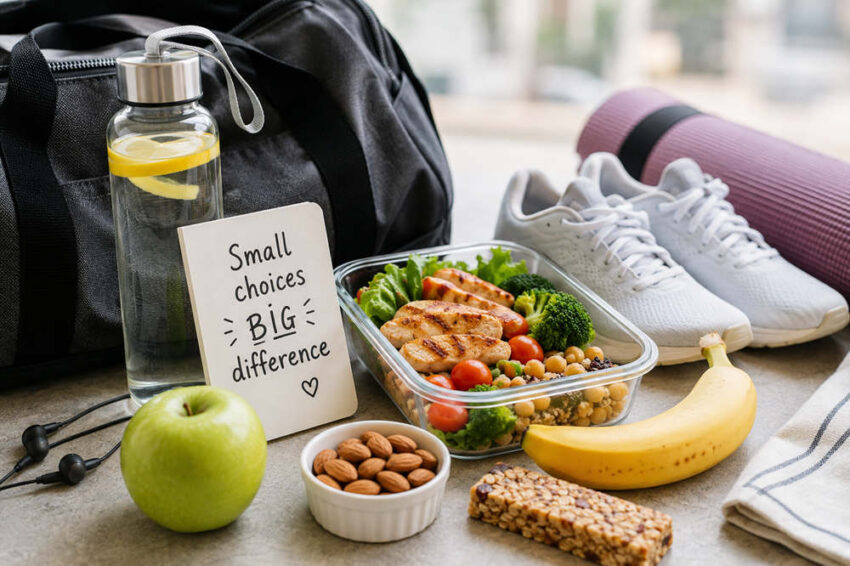
Staying healthy is easier when life is calm, but most people do not live every day with a perfect schedule. Work, school, commuting, errands, travel, and family responsibilities can all make healthy routines harder to follow.
That does not mean your habits have to fall apart when the day gets busy. A healthy lifestyle on the go is built from small choices that are easy to repeat: simple meals, better snacks, more water, short movement breaks, steady sleep, and practical ways to manage stress.
The goal is not to be perfect. The goal is to make healthy choices easier to reach, even on your busiest days.
What a Healthy Lifestyle on the Go Really Means
A healthy lifestyle on the go is not a strict routine that only works when everything goes according to plan. It is a flexible way of caring for your body when you are away from home, short on time, or moving from one responsibility to the next.
Food is part of it, but it is not the whole picture. Staying well also depends on movement, hydration, sleep, stress control, and a few backup habits that keep you from feeling stuck.
The CDC’s healthy eating guidance focuses on nutrient-dense foods such as fruits, vegetables, protein foods, whole grains, healthy fats, and dairy. For a busy lifestyle, that advice can be kept simple: build most meals around foods that give your body steady energy and useful nutrients.
1. Start With One Simple Food Plan
Healthy eating becomes harder when every meal is a last-minute decision. You do not need to cook every meal in advance, but it helps to have a basic plan for the parts of the day when you are most likely to rush.
Start with one meal. For many people, breakfast is the easiest place to begin. Greek yogurt with fruit, overnight oats, eggs with whole-grain toast, a smoothie with protein, or nut butter on toast can all work when mornings are tight.
If lunch is your weak spot, prepare one reliable option you can repeat. Leftovers, a grain bowl, a salad with protein, a turkey or hummus wrap, or a simple soup-and-sandwich combination can keep you from depending on whatever is closest.
The point is not to create a perfect meal plan. It is to remove some of the pressure from busy days. Even one planned meal can make the rest of the day feel easier.
2. Make Better Choices When Eating Away From Home
Eating away from home is part of real life. You may eat at a restaurant, airport, office cafeteria, coffee shop, gas station, or drive-thru. A healthy lifestyle on the go should include these situations instead of treating them like failures.
When choosing a meal, look for balance. A helpful meal usually includes protein, a fruit or vegetable, and a source of energy such as whole grains, beans, rice, potatoes, or another satisfying carbohydrate.
That could look like a grilled chicken bowl, a bean burrito, a turkey sandwich, a veggie omelet, sushi, a salad with protein, or soup with a side. The exact meal will depend on where you are, but the pattern stays the same.
Drinks matter too. Sugary drinks, sweet coffee drinks, and large specialty beverages can add a lot without helping you feel full. Water, unsweetened tea, plain coffee, or sparkling water are often better everyday choices.
The American Diabetes Association’s advice for eating healthy on the go also emphasizes planning ahead and making balanced choices when time is limited. This is useful guidance for anyone trying to avoid rushed, uneven meals during a busy day.
3. Keep Healthy Snacks Within Reach
Snacks are useful when they prevent long gaps between meals. Going too long without eating can leave you tired, distracted, or more likely to grab the fastest option later.
The best on-the-go snacks usually include protein, fiber, or healthy fats. These nutrients help snacks feel more satisfying than candy, chips, or sweet baked goods.
Easy snack ideas include:
- Fresh fruit with a small handful of nuts
- Greek yogurt
- Cheese sticks
- Hard-boiled eggs
- Hummus with vegetables or whole-grain crackers
- Trail mix in a small portion
- Nut butter packets with an apple or banana
- Roasted chickpeas or edamame
- Protein-rich snack packs
For calorie-dense snacks such as nuts, trail mix, and nut butter, small portions usually work best. They can be healthy choices, but they are easy to overeat when you are distracted or eating straight from a large bag.
Keep one snack in your bag, desk, car, or travel kit. A small backup can keep a busy afternoon from turning into a cycle of skipped meals and low energy.
4. Make Water Easy to Remember
Hydration is simple, but it is easy to forget when your day is full. Many people move from coffee to meetings to errands without drinking much water until they already feel thirsty or tired.
A reusable water bottle is one of the easiest tools for a healthy lifestyle on the go. Keep it where you can see it. Drink water with meals, after waking up, and during afternoon work blocks. If you drink coffee or tea, try having water before the next refill.
You do not need to make hydration complicated. For most people, the habit matters more than strict tracking. Choose water more often, limit sugary drinks, and pay attention to signs that you may need more fluids, such as dark urine, dry mouth, headaches, or low energy.
5. Add Movement in Small Pieces
A busy schedule can make exercise feel impossible, especially if you think movement only counts when it happens at a gym. In reality, small amounts of movement still matter.
The CDC recommends that adults get at least 150 minutes of moderate-intensity physical activity each week, along with two days of muscle-strengthening activity. That goal can be broken into smaller pieces instead of done all at once.
A 10-minute walk after lunch, stairs instead of the elevator, stretching between work blocks, walking during phone calls, parking farther away, or doing a short home workout can all help. Even if you cannot fit in a full workout, some movement is better than none.
Strength training does not have to be complicated either. Squats, lunges, push-ups, resistance bands, light weights, or simple bodyweight exercises can support muscle and mobility without requiring a long session.
6. Protect Sleep Even During Busy Seasons
Sleep is often the first thing people sacrifice when life feels crowded. That may seem productive for one night, but poor sleep can affect energy, mood, focus, appetite, and motivation the next day.
The CDC notes that adults should get at least seven hours of sleep each night. Good sleep habits also support emotional well-being, attention, memory, and overall health.
Start with small changes. Keep your bedtime and wake time as steady as possible. Reduce late caffeine if it affects your sleep. Create a short wind-down routine, even if it is only 15 minutes. Put your phone away earlier when you can, dim bright lights, and avoid starting stressful tasks right before bed.
Busy seasons happen. Late nights happen. The goal is not to control every evening perfectly. The goal is to avoid making poor sleep your normal routine.
7. Use Small Stress Resets Throughout the Day
Stress management does not always require a long meditation session or a quiet afternoon. On busy days, it may be as simple as pausing before you open your email, taking three slow breaths in the car, stepping outside for five minutes, or writing down the next three things you need to do.
Small resets create space between one demand and the next. They can also make healthy choices easier. When stress is high, people are more likely to skip meals, sit for long periods, stay up late, or reach for quick comfort foods.
Use transitions as reset points. Stretch after a meeting. Drink water before dinner. Take a short walk after a long work block. Write tomorrow’s reminders before bed so they are not circling in your mind all night.
Build a Small Healthy Lifestyle Kit
A few items can make healthy choices easier when you are away from home. Think of this as a simple backup system, not another complicated routine.
Your kit might include:
- A reusable water bottle
- A shelf-stable healthy snack
- Comfortable walking shoes
- Hand sanitizer
- A small container for needed medication
- Headphones for walking, calming music, or podcasts
- A backup meal idea for rushed days
This works because it reduces friction. When the healthier choice is already close, you are more likely to use it.
Make Your Routine Flexible, Not Perfect
A healthy lifestyle on the go should make your day feel more supported, not more stressful. Some days you will pack lunch. Other days you will buy it. Some days you will walk for 30 minutes. Other days you may only stretch, take the stairs, or move for a few minutes between tasks.
That is normal. One rushed meal does not ruin your progress. One missed workout does not erase your effort. One late night does not mean you should give up on sleep.
The next choice still matters. Drink water. Choose a balanced snack. Walk when you can. Get back to a reasonable bedtime. Repeat the habits that help you feel better.
Conclusion
Staying healthy on the go is not about building a perfect routine. It is about making small, useful habits easier to repeat in real life.
With a little planning, simple snacks, more water, short movement breaks, better sleep habits, and quick stress resets, you can take care of your health even when your schedule is full. The best routine is one you can actually live with, one busy day at a time.