
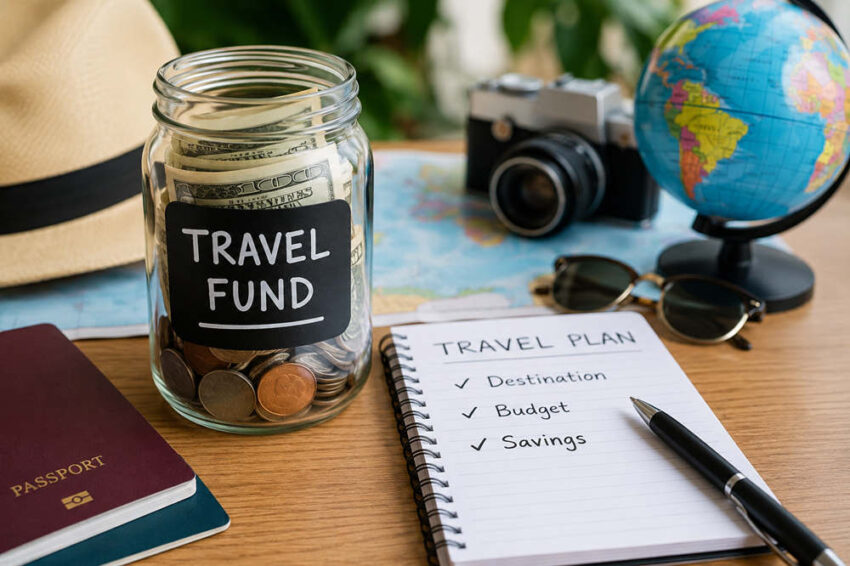
Travel often feels expensive because the costs arrive all at once. Flights, hotels, meals, activities, and transportation can turn a dream trip into a stressful bill if there is no plan behind it.
The good news is that saving for travel does not have to mean cutting out every small joy. A better approach is to choose a realistic trip, break the cost into smaller goals, and build habits that move money into your travel fund before it gets spent elsewhere.
Start With a Real Trip Goal
The first step is deciding what kind of trip you are saving for. “I want to travel more” sounds exciting, but it is too vague to plan around. A weekend road trip, a beach vacation, a national park visit, and a two-week international trip all need different budgets.
Start with the basics. Choose the destination or type of trip, the month you want to travel, the number of days, and who is going with you. Then think about the travel style. A budget trip with simple lodging will look very different from a comfortable resort stay or a once-in-a-lifetime getaway.
You do not need every detail right away. The goal is to turn the idea into something specific enough to estimate. Once the trip has a shape, saving becomes easier because you know what you are working toward.
Estimate the Full Cost Before You Start Saving
Many people plan for flights and hotels, then forget the smaller costs that make travel more expensive. A strong travel savings plan includes the full trip, not just the first booking.
Before setting your savings goal, make a rough estimate for:
- Flights, gas, train tickets, or other transportation
- Hotels, vacation rentals, or other lodging
- Meals, snacks, coffee, and drinks
- Local transportation, parking, taxis, or rideshares
- Activities, tours, museum tickets, or attraction fees
- Travel insurance, passport fees, visas, or luggage
- Tips, resort fees, service fees, and small extras
- An emergency cushion for delays or surprise costs
This step keeps the budget honest. If you plan for a $1,200 trip but the real cost is closer to $1,700, the savings plan may fall short. It is better to know the full number early, even if it means choosing a simpler trip or giving yourself more time.
Break the Goal Into Monthly and Weekly Savings
Once you have a rough trip cost, divide it by the number of months before you want to travel. This makes the goal feel less overwhelming.
| Estimated Trip Cost | Time to Save | Monthly Goal | Weekly Goal |
|---|---|---|---|
| $900 | 6 months | $150 | About $35 |
| $1,500 | 10 months | $150 | About $35 |
| $1,800 | 12 months | $150 | About $35 |
| $2,400 | 12 months | $200 | About $46 |
If the monthly number feels too high, adjust the plan before you book anything. You can choose a cheaper destination, travel for fewer days, move the trip later, or look for extra income to close the gap.
The best travel savings plan is not the most ambitious one. It is the one you can actually finish.
Create a Separate Travel Fund
Travel money is easier to protect when it has its own place. That could be a separate savings account, a labeled savings bucket, or a clear travel category in your budgeting app.
This does not need to be complicated. The point is to keep travel money from mixing with everyday spending. When the money has one purpose, it is easier to see your progress and harder to use it casually.
Automatic transfers can make this even easier. Moving a small amount on payday helps turn saving into a habit instead of a repeated decision. The CFPB’s savings guidance also emphasizes that regular saving habits can help people stay on track with financial goals.
If your income changes from month to month, keep the system flexible. Set a small base transfer, then add more when you have extra money.
Find Money in Your Current Spending
The easiest money to save is often money you are already spending without much thought. This does not mean judging every purchase. It means looking for expenses that do not matter as much as the trip you want to take.
Review one or two months of spending and look for patterns. You may find unused subscriptions, frequent delivery fees, impulse shopping, convenience purchases, bank fees, or small daily habits that add up over time.
A single charge may not seem important. Several small charges every week can become a real travel fund. Even saving $25 a week adds up to about $1,300 in a year.
The goal is not to remove all fun from your life. The goal is to stop spending on things you barely notice so you can spend more on something you will remember.
Cut Costs Without Making Life Feel Smaller
A strict savings plan can work for a short time, but it is hard to maintain if it makes everyday life feel miserable. A better strategy is to make a few cuts that feel realistic.
You might cook at home one or two more nights each week, plan free weekend activities, pause a subscription for a few months, or try one no-spend day each week. You can also use a simple trade-off: keep one thing you love and cut one thing you care less about.
For example, you might keep your favorite coffee shop habit but reduce takeout dinners. Or you might keep your gym membership but cancel streaming services you rarely use.
This makes the plan feel personal instead of punishing. Saving for travel should help you spend with more intention, not make you feel like you are failing every time you buy something small.
Add Extra Money to the Travel Fund
Cutting expenses helps, but it is not the only way to save. Adding extra money can move your trip closer without putting all the pressure on your regular budget.
You can sell items you no longer use, take on occasional freelance work, pick up a short-term side job, or put part of a bonus, tax refund, birthday gift, or holiday money into your travel fund.
Small one-time deposits can make a big difference. An extra $200 from selling unused items may cover several meals, a rental car, attraction tickets, or part of a hotel stay.
It helps to decide where extra money will go before it arrives. For example, you might choose to put half of any unexpected money into travel and keep the other half for regular needs. That way, the plan feels balanced.
Make the Trip Cheaper Before You Book
Saving is easier when the trip itself costs less. Before booking, look for ways to lower the total amount you need.
Flexible dates can help. Flights and hotels often cost more during holidays, school breaks, major events, and peak travel seasons. Traveling during shoulder season, which falls between a destination’s busiest and slowest periods, can sometimes bring lower prices and smaller crowds.
Planning earlier may also help, especially when you have fixed travel dates. Fidelity’s budget travel tips include planning ahead and choosing travel days carefully as ways to make a trip more affordable.
You can also reduce costs during the trip. Pack light to avoid baggage fees, compare nearby airports, use public transportation when it is safe and practical, and mix restaurant meals with simple grocery-store meals. NerdWallet also lists packing light and buying food locally among practical ways to save on travel.
This section of the plan is not about chasing every travel hack. It is about lowering the total cost enough that your savings goal feels possible.
Use Travel Rewards Carefully
Travel rewards can help reduce the cost of flights, hotels, or rental cars, but they should not become the main plan unless you already use credit responsibly.
Rewards only help if you pay balances in full, avoid unnecessary fees, and do not spend more just to earn points. A sign-up bonus can look attractive, but it may not be worth it if the spending requirement pushes you outside your normal budget.
Before opening a travel card, check the annual fee, reward rules, blackout dates, and how easy it is to redeem points. For many travelers, cash savings are simpler and more flexible. Rewards can be a bonus, but they should not replace a real travel fund.
Protect the Money You Worked Hard to Save
After saving for months, be careful where you spend the money. Fake travel deals, unclear booking pages, and pressure to pay quickly can turn a bargain into a loss.
Before booking, check the total price, refund policy, cancellation rules, resort fees, luggage fees, and whether travel insurance is included or separate. Keep confirmation emails and screenshots of important booking details.
The Federal Trade Commission warns travelers to be cautious with travel sites that demand payment by wire transfer, gift card, or cryptocurrency. The FTC’s travel scam guidance says those payment methods are a warning sign because they can make it difficult to recover money if something goes wrong.
A cheap trip is only a good deal if the booking is real, the terms are clear, and the payment method is safe.
Keep Saving After the Trip Is Booked
Do not stop saving as soon as the flight or hotel is booked. The trip will still have daily costs, and those costs can create stress if you do not plan for them.
Food, transportation, tips, parking, attraction tickets, souvenirs, and small emergencies all need room in the budget. If the travel fund is empty before you leave, you may end up relying on credit cards during the trip.
Create a simple daily spending estimate. If you expect to spend $80 per day on food, transportation, and activities during a five-day trip, you need another $400 after the major bookings are done.
This final step helps you enjoy the trip without worrying about every purchase. It also makes it easier to come home without regret or new debt.
Final Thoughts
Saving for travel is not about being rich or cutting out everything fun. It is about turning a trip into a planned expense instead of a last-minute financial surprise.
Choose a real goal, estimate the full cost, divide it into smaller savings targets, and keep the money separate. Then look for spending you can reduce, extra money you can add, and smarter ways to book.
A dream trip feels far away when it is only an idea. It feels much closer when you give it a number, a timeline, and a plan you can follow.