
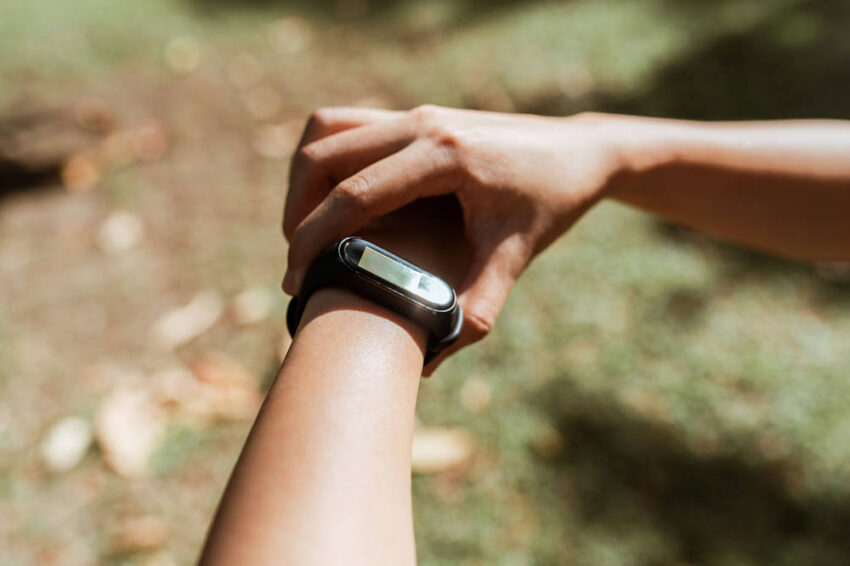
A more active lifestyle often begins with awareness. Many people want to move more, but they do not always know how much walking, sitting, or light activity actually fills their day. A pedometer helps by turning daily steps into clear feedback.
Instead of guessing whether you were active enough, you can see your movement pattern and make small changes from there. For beginners, busy workers, older adults, or anyone trying to reduce sedentary habits, that simple step count can become a practical way to build momentum.
What a Pedometer Does
A pedometer counts the steps you take. Traditional pedometers are small devices clipped near the waist, but step tracking is now common in smartphones, fitness watches, and wearable activity trackers.
The main value is not that the number is perfect. It is that the number gives you a useful snapshot of your daily movement. A person who works at a desk may feel busy all day but still discover that they walked very little. Someone who takes short walks throughout the day may realize those small efforts add up more than expected.
Step counts should be treated as a personal trend, not a precise medical measurement. Accuracy can vary by device, walking speed, body position, and where the tracker is worn. Research on pedometer accuracy has found that some devices are less reliable at slower walking speeds, which can matter for older adults or people with mobility limitations.
Even with that limitation, a pedometer can still be useful. If you use the same device in the same way each day, it can help you compare one day with another and notice whether your routine is becoming more active over time.
Why Step Counting Can Motivate People to Move More
Step counting works because it gives immediate feedback. A short walk after lunch, a trip up the stairs, or a few extra minutes of walking during an errand becomes easier to recognize when it shows up in your daily total.
This can make physical activity feel less abstract. Instead of thinking, “I need to exercise more,” you can set a clear goal, such as adding 500 or 1,000 steps to your usual day. That kind of goal feels reachable, especially for people who are not ready for a strict workout routine.
A pedometer also helps reveal habits. You may notice that your steps are much lower on workdays, during bad weather, or after long periods of screen time. Once you see those patterns, it becomes easier to plan small changes, such as taking a short morning walk, standing up during breaks, or walking while talking on the phone.
What Research Says About Pedometers and Physical Activity
Research supports the idea that pedometers can help people become more active, especially when step tracking is paired with a goal. A major JAMA review found that pedometer users increased their physical activity by 26.9% over baseline. The review also found that having a step goal was an important factor in increasing activity.
This does not mean a pedometer automatically changes behavior. The device is most helpful when people check their progress, set realistic targets, and use the feedback to adjust their routine. In that way, a pedometer works less like a fitness shortcut and more like a daily reminder.
Step tracking can also be encouraging because it rewards consistency. A person may not have time for a long workout every day, but they may still be able to walk more often, take breaks from sitting, or choose active transportation for short trips. Those choices become easier to maintain when progress is easy to see.
Do You Need 10,000 Steps a Day?
The 10,000-step goal is popular, but it is not the only useful target. For some people, it can be motivating. For others, especially beginners or people returning to activity after a long break, it may feel too high.
A better starting point is your own baseline. Wear your pedometer for several normal days and find your average. If you usually walk 4,500 steps a day, aiming for 5,000 or 5,500 steps the next week may be more realistic than jumping straight to 10,000.
Recent research also suggests that meaningful benefits can occur below 10,000 steps. A 2025 analysis in The Lancet Public Health examined device-measured daily steps and adult health outcomes, supporting the idea that lower step goals can still matter, especially for people starting from very low activity levels.
The most useful goal is one you can repeat. A step count should encourage progress, not create guilt. Moving more than you did before is often the best place to begin.
How a Pedometer Supports a Healthier Daily Routine
A pedometer can help you build activity into ordinary parts of the day. This matters because many people struggle to make time for formal exercise, but they may be able to add more walking through small routine changes.
For example, you might take a 10-minute walk after dinner, use the stairs when possible, walk during phone calls, park farther away, or take a short loop around the block during a work break. None of these habits has to feel dramatic. The benefit comes from repeating them often enough that movement becomes normal.
Step tracking can be especially helpful for people with sedentary jobs. A low step count at midday may remind you to stand up, stretch, or walk for a few minutes. Over time, those short breaks can reduce long sitting periods and make the day feel less physically stagnant.
It also helps to connect walking with habits you already have. If you drink coffee every morning, you might add a short walk afterward. If you watch television at night, you might walk for a few minutes before sitting down. When movement is attached to an existing routine, it becomes easier to remember.
Physical and Mental Health Benefits of Moving More
Walking more can support heart health, blood pressure, blood sugar control, mobility, mood, sleep, and daily energy. It is also one of the most accessible forms of physical activity because it requires little equipment and can be adjusted to many fitness levels.
Still, step count is not the same as exercise intensity. A slow stroll, a brisk walk, and a challenging hike may all add steps, but they do not affect the body in the same way. The CDC physical activity guidelines recommend that adults get at least 150 minutes of moderate-intensity activity each week, along with muscle-strengthening activity on 2 days per week.
This means a pedometer should be part of a broader approach. Walking can help many people become more active, but strength training, balance work, stretching, sleep, nutrition, and recovery also matter. A step goal is useful, but it should not be the only sign of health.
How to Start Using a Pedometer the Right Way
Start by tracking your normal steps for several days. Do not change your routine at first. This gives you a more honest baseline and keeps the process from feeling overwhelming.
After that, choose a small increase. If your average is 4,500 steps a day, you might aim for 5,000 or 5,500 for the next week. Once that feels comfortable, increase again. Gradual goals are easier to maintain than sudden jumps.
It can also help to review your weekly average instead of judging each day separately. Some days will naturally be lower because of weather, work, travel, illness, or family responsibilities. A weekly view gives a fairer picture of your overall pattern.
For better results, pair your pedometer with a simple plan. Decide when you are most likely to walk, how much time you can realistically give, and what small habit you can repeat. A clear routine makes step tracking more useful than simply checking a number at the end of the day.
Who May Benefit Most From a Pedometer?
A pedometer can be useful for anyone who wants a simple way to move more, but it may be especially helpful for beginners. People who feel unsure about exercise can start with walking and build from there.
Office workers may use step tracking to break up long sitting periods. Older adults may find it helpful for maintaining mobility, as long as the goal is safe and realistic. People returning to activity after a long break may appreciate the gradual nature of step goals.
A pedometer can also help people who do not enjoy traditional workouts. Walking may feel less intimidating than going to a gym, joining a class, or following a strict program. For many people, that makes it easier to begin.
Anyone with chronic health conditions, chest pain, balance problems, joint pain, recent surgery, or unusual shortness of breath should be cautious. In those situations, it is best to speak with a healthcare professional before making major activity changes.