
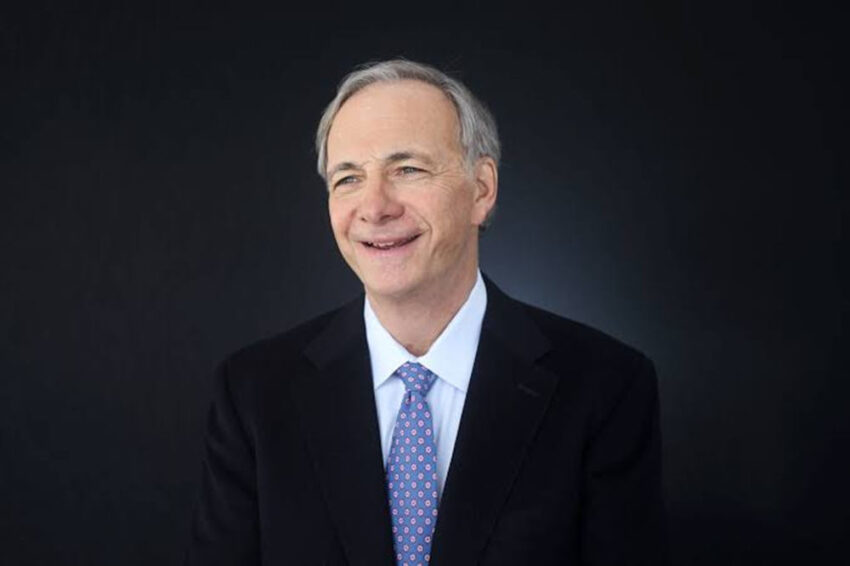
Niagara is known around the world for the Falls, but the region’s economy depends on much more than scenery. Hotels, restaurants, wineries, attractions, exporters, border crossings, seasonal workers, and local investors all feel the movement of a larger economy.
That is where Ray Dalio’s ideas become interesting. Dalio’s public career has been built around markets, cycles, risk, and decision-making. Niagara lives with those same forces in a very practical way. A change in visitor confidence can affect hotel rooms. A shift in the dollar can shape cross-border trips. Higher interest rates can slow new projects. Border delays can touch both tourism and trade.
Dalio is not known as a Niagara figure, and there is no widely documented local chapter in his career. But his economic thinking fits a region where global conditions often show up in everyday business decisions.
Who Is Ray Dalio?
Ray Dalio is the founder of Bridgewater Associates, the global macro investment firm he started in 1975. Bridgewater’s work is built around understanding how markets and economies move, especially through interest rates, currencies, debt, policy decisions, and long-term cycles.
Dalio also became known outside finance through Principles, his writing on decision-making, work, leadership, and learning from mistakes. His ideas are often discussed in business because they focus on seeing reality clearly, building better habits, and preparing before problems become urgent.
Those ideas may come from the world of investing, but they are not only useful to investors. They also speak to places where businesses have to plan around changing demand, rising costs, and uncertain conditions. Niagara is one of those places.
Why Dalio’s Thinking Fits Niagara
Niagara’s economy is highly visible, but it is not simple. A busy summer weekend may look like a tourism story, but behind it are exchange rates, family budgets, staffing levels, fuel prices, hotel pricing, weather, events, and border movement.
A restaurant in Niagara Falls may depend on walk-in visitors one day and local customers the next. A winery in Niagara-on-the-Lake may plan around tour groups, weddings, weather, and international travelers. A hotel may watch booking windows carefully to see whether guests are planning early or waiting for last-minute deals.
This is the kind of environment where clear thinking matters. Businesses cannot control the dollar, interest rates, or the broader travel mood. They can, however, watch the signals, adjust early, and avoid assuming that one strong season will automatically lead to another.
Niagara as a Trade Gateway
Niagara’s border location gives the region a role that reaches beyond tourism. The area is part of a major Canada-U.S. trade corridor, supported by roads, rail, marine connections, air access, and international crossings. Niagara Economic Development describes the region as one of North America’s important trade gateways, with more than 640 exporters and about $110 billion in annual cross-border freight movement.
That position brings opportunity, but it also adds pressure. A policy change, customs delay, fuel cost increase, or supply-chain problem can move quickly from a national headline to a local business issue. Exporters, logistics companies, manufacturers, farms, and service providers all depend on reliable movement across the border.
For a region like Niagara, economic news is not distant. It can affect delivery times, input costs, hiring plans, and investment decisions. Dalio’s work often returns to the idea that economies are connected systems. Niagara shows that connection clearly.
Tourism Makes Economic Cycles Visible
Tourism is one of Niagara’s strongest economic engines. The region’s attractions, festivals, casinos, wineries, restaurants, hotels, and natural scenery draw visitors from Canada, the United States, and around the world. Niagara Economic Development says the region attracts more than 13 million tourists each year, with tourism spending of more than $2 billion annually.
Ontario’s Destination Niagara Strategy also describes tourism as a major part of the regional economy, supporting tens of thousands of jobs and a wide range of businesses.
Those numbers show Niagara’s strength. They also show why the region has to pay close attention to economic cycles. Travel depends on confidence. When people feel comfortable with their jobs, savings, and household budgets, they are more likely to book a room, stay longer, eat out, buy tickets, and add extra experiences to a trip.
When budgets tighten, the change can be felt quickly. A family may still visit the Falls but skip an overnight stay. A couple may choose one paid attraction instead of several. A group may spend less at dinner or plan a shorter wine-country trip. These small choices add up across a region built around hospitality.
What Local Businesses Can Take From Dalio’s Principles
One of Dalio’s most practical ideas is that good decisions begin with a clear view of reality. In Niagara, that can mean looking closely at what customers are doing, not just what businesses hope they will do.
A hotel may notice that guests are booking closer to arrival dates. A restaurant may see that weekday traffic is weaker than weekend traffic. A tour company may find that visitors respond better to bundled packages. A winery may discover that guests are spending more on experiences but less on bottles to take home.
Those details are valuable. They help business owners make smarter decisions about staffing, pricing, marketing, partnerships, and expansion. Instead of waiting for a slow period to become a crisis, a business can adjust while it still has room to move.
That might mean building stronger off-season offers, working with nearby attractions, improving online booking, keeping more cash available, or avoiding too much debt during a strong year. The lesson is not complicated: good seasons are easier to enjoy when a business is already prepared for harder ones.
Risk, Resilience, and Planning Ahead
Niagara has many advantages. It has one of the world’s most recognizable natural attractions, a long history as a travel destination, a strong hospitality base, access to U.S. visitors, and a growing food and wine identity.
Still, every strong region has risks. Tourism can be affected by weather, recessions, health concerns, fuel prices, border conditions, and changing travel habits. Trade can be affected by tariffs, currency movements, supply-chain pressure, and policy decisions. Local development can be affected by interest rates, construction costs, labor shortages, and housing pressure.
Resilience means preparing for those pressures before they become urgent. For Niagara, that can include stronger year-round tourism, better transportation links, support for local entrepreneurs, workforce training, and investment beyond the busiest visitor areas.
Dalio’s broader message fits this kind of planning. Strong systems are not built only during difficult times. They are built during good times, when there is enough momentum to prepare for what may come next.
Niagara’s Economy Is Bigger Than One Landmark
The Falls will always be Niagara’s most famous image, but the regional economy stretches much further. Niagara includes wineries, agriculture, hotels, restaurants, events, education, logistics, manufacturing, retail, and cross-border business activity.
That variety is important. A broader economy is usually better able to handle change than one that depends too heavily on a single source of income. Tourism brings visitors and outside spending into the region. Trade and manufacturing support year-round employment. Food, wine, trails, festivals, and local culture encourage people to explore beyond the Falls and stay longer.
The challenge is to keep that mix healthy. Travel habits change. Visitors may want more local food, outdoor experiences, cultural events, or flexible short trips. Businesses that understand those shifts can adapt faster than those that rely only on old patterns.
Why Bigger Economic Forces Matter Here
Dalio often talks about large forces such as debt, credit, productivity, political tension, and global competition. Those topics may sound far from a hotel lobby or a restaurant kitchen, but they can shape local conditions in direct ways.
Higher household debt can reduce vacation spending. Inflation can raise menu prices. Interest rates can delay building projects. Currency changes can influence whether American visitors see Niagara as a bargain. Supply-chain issues can make equipment, food, and materials more expensive.
Niagara does not need to be a financial center for these forces to matter. It only needs to be connected to the movement of people, goods, and money. Every busy border crossing, hotel booking, restaurant bill, and delivery route is part of that larger picture.
What Niagara Can Learn From Clear Economic Thinking
Ray Dalio’s career is not a Niagara story, but his ideas line up with many questions the region faces. How should businesses prepare for weaker seasons? How can tourism remain strong when household budgets change? How can a border region protect its advantages while dealing with uncertainty?
The answer starts with clear thinking. Niagara’s strengths are real, but they need steady planning behind them. The region benefits when businesses study changing visitor habits, when public leaders invest in infrastructure, and when the economy grows beyond a single season or a single attraction.
Niagara’s future will always be tied to the Falls, but it will also depend on how well the region handles the forces around it: trade, travel, currency, confidence, costs, and long-term investment.
That is where Dalio’s ideas feel most relevant. Not as a personal Niagara connection, but as a reminder that even famous destinations need discipline, flexibility, and a clear view of the economy around them.
Featured Image Source: cnbc.com