
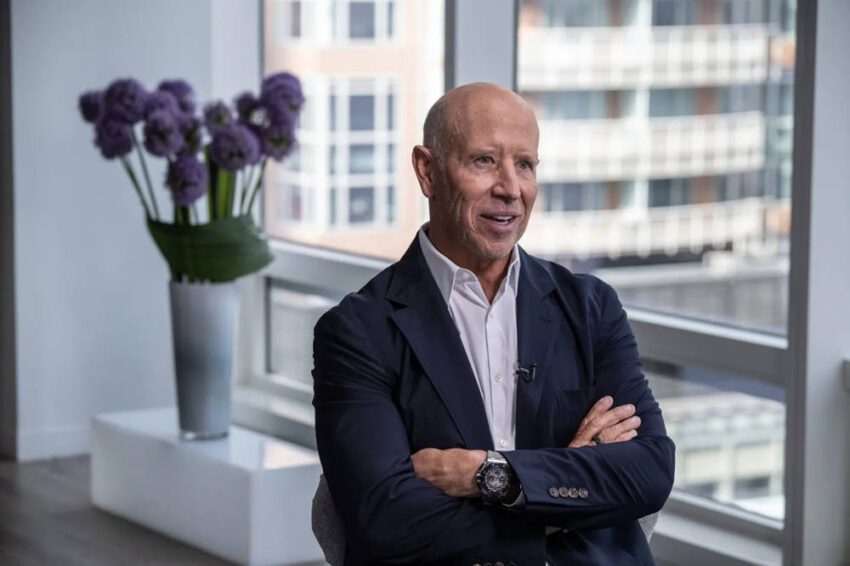
Barry Sternlicht is not usually the first name that comes to mind when people think about Niagara Falls. His story is not rooted in the mist, the gorge, or the busy streets around Clifton Hill. He is better known for real estate, hotels, and the kind of hospitality brands that changed how travelers think about where they stay.
That is where Niagara becomes interesting. The city is famous because of the falls, but the modern visit is shaped by much more than the view from the railing. Hotels, restaurants, spas, casinos, room categories, loyalty programs, and walkable districts all influence how people experience the destination. Sternlicht’s career offers a useful lens for understanding that side of Niagara Falls: the side built around atmosphere, convenience, and memory.
Who Is Barry Sternlicht?
Barry Sternlicht is an American real estate investor and hospitality executive best known as the founder, chairman, and CEO of Starwood Capital Group. The firm was founded in 1991 and has grown into a major global real estate investment company, with interests across hotels, housing, offices, retail, and other property sectors.
In hospitality, Sternlicht is especially associated with Starwood Hotels & Resorts Worldwide. He served as chairman and CEO during a period when Starwood became one of the most recognizable hotel companies in the world. His influence was not limited to scale. He helped popularize hotel brands that felt distinct, stylish, and emotionally memorable.
One of his best-known contributions was W Hotels, a brand that helped make the hotel lobby, bar, music, lighting, and design feel like part of the trip. He is also credited with expanding St. Regis from a single luxury hotel into a global brand. Later, he founded SH Group, now known as Starwood Hotels, the company behind 1 Hotels, Baccarat Hotels, Treehouse Hotels, and SH Collection.
Put simply, Sternlicht helped move hotels away from being only practical places to sleep. His best-known work belongs to a wider shift in travel: hotels as lifestyle spaces, social settings, design statements, and extensions of the destination itself.
What Is the Barry Sternlicht Niagara Connection?
The connection is not biographical. Sternlicht does not appear to have a widely documented personal history in Niagara Falls, and his public profile is tied much more closely to global real estate and hospitality than to any one Canadian tourism city.
But Niagara Falls is exactly the kind of destination where his hotel ideas make sense. Visitors may arrive for the water, but their stay is often shaped by the property they choose. A room overlooking the falls, a restaurant with a view, a spa package, a casino weekend, or a hotel within walking distance of major attractions can change the whole rhythm of a trip.
So the Sternlicht-Niagara connection is best understood through hospitality, not biography. His work helps explain why hotels in a place like Niagara are not just background services. They are part of the way the destination is packaged, remembered, and sold.
The Starwood Name Can Be Easy to Misread
The Starwood name adds another layer to the story. Sternlicht founded Starwood Capital Group, the investment firm. He was also closely tied to Starwood Hotels & Resorts Worldwide, the hotel company once associated with brands such as Sheraton, Westin, W Hotels, St. Regis, and Le Méridien.
In 2016, Marriott International completed its acquisition of Starwood Hotels & Resorts Worldwide. That deal brought many former Starwood hotel brands into Marriott’s portfolio. Today, a Sheraton or Westin property may carry Starwood history, but that does not mean Sternlicht is personally connected to that individual hotel now.
There is also a newer Starwood Hotels name. SH Hotels & Resorts, Sternlicht’s later hotel company, rebranded as Starwood Hotels and is connected to brands such as 1 Hotels, Baccarat Hotels, Treehouse Hotels, and SH Collection. Because of that, “Starwood” can refer to different chapters in hotel history depending on the context.
Why His Hotel Ideas Fit a Place Like Niagara Falls
Niagara Falls has always had a built-in reason to visit. The falls are dramatic, accessible, and instantly recognizable. But once travelers decide to go, they still have to choose how they want the trip to feel. That choice often begins with the hotel.
Some visitors want the closest possible view. Others want a recognizable brand, a family-friendly location, a romantic room, an indoor pool, a casino nearby, or easy access to restaurants and attractions. The room becomes more than a place to leave bags. It becomes the base for the whole visit.
This is where Sternlicht’s influence on hospitality feels relevant. His career reflects a broader idea now common across the industry: a hotel can shape the emotional tone of a trip. It can make a weekend feel stylish, restful, luxurious, social, romantic, or effortless. In a city like Niagara Falls, where many stays are short and occasion-driven, that matters.
A couple celebrating an anniversary may remember the view from the window as much as the walk beside the falls. A family may choose a hotel because it keeps dinner, entertainment, and attractions close together. A first-time visitor may pay more for a Fallsview room because the view is part of the dream.
Niagara Falls as a Hotel-Driven Destination
Niagara Falls is still defined by nature, but the visitor district around it is built with hospitality in mind. The Fallsview area, in particular, shows how hotels, restaurants, entertainment, and sightseeing can work together in a compact travel zone.
Niagara Falls Tourism describes Fallsview hotels as being connected to restaurants with views, family attractions, casinos, theatres, Table Rock Centre, and Clifton Hill. That mix matters because it shows how many visitors experience Niagara: not as a single stop at the brink of the falls, but as a full itinerary built around where they stay.
The hotel brand helps organize that choice. A traveler comparing properties may recognize names such as Sheraton, Marriott, Hilton, Embassy Suites, or DoubleTree before they know the details of each building. Those brands carry expectations about comfort, service, room types, amenities, and loyalty benefits. In a crowded tourism market, recognition can be powerful.
Niagara also has something most destinations cannot copy: the view. A Fallsview room can carry emotional weight because it brings the landmark into the stay itself. The falls are not only something to visit during the day. For some guests, they are visible from bed, from breakfast, from a suite, or from a restaurant table.
Why Fallsview Hotels Often Aim Higher
The Fallsview district is not just scenic. It is valuable. Hotels near the best views and visitor routes are competing for limited space in one of Canada’s best-known tourism areas.
An HVS analysis of the Canadian Niagara Falls hotel market notes that land in the Fallsview tourism district is scarce and expensive, creating high barriers for major commercial development. The same analysis explains why new hotel projects in that area often need to reach upper-upscale or luxury levels to make the most of the land.
That helps explain the look and feel of the district. Niagara has many kinds of accommodations, from budget motels to family-friendly hotels and premium towers. But the most visible hotel conversation often centers on view categories, height, brand reputation, restaurants, spas, suites, and packages.
The falls create the demand. Real estate shapes the supply. Hotel branding gives visitors a way to sort through the options.
How Travelers Choose a Niagara Hotel
For many people, the hotel decision starts with one question: do we want a view of the falls? After that, the choice becomes more personal.
Families may want to be near Clifton Hill, indoor attractions, casual restaurants, and easy walking routes. Couples may look for a quieter room, a spa, a special dinner, or a higher-floor view. Casino visitors may care most about convenience. Travelers staying only one night may choose the location that saves the most time.
This is why Niagara Falls works so well as an example of modern hospitality. The main attraction is fixed, but the trip can feel very different depending on the hotel. A practical stay on Lundy’s Lane is not the same as a Fallsview suite. A family weekend near Clifton Hill is not the same as a romantic spa stay near the casino. Each option creates a different version of Niagara.
Sternlicht’s hotel legacy matters here because he helped make brand personality part of the buying decision. Modern travelers are not just choosing a room size and a nightly rate. They are choosing a mood, a promise, and a level of ease.
What This Says About Modern Niagara Travel
Niagara Falls does not need hotel branding to be impressive. The water, gorge, sound, and mist are powerful on their own. But hotels influence how visitors settle into the place.
A good location can make a short trip feel smoother. A strong view can make the stay feel more special. A restaurant downstairs can change the pace of the evening. A familiar brand can make planning less stressful. These details do not replace the falls, but they frame the experience around them.
That is the quiet connection between Barry Sternlicht and Niagara Falls. His work belongs to the hotel world, not to Niagara history. Yet the ideas associated with his career are easy to see in Niagara’s tourism landscape: hotels with identities, rooms sold by feeling as much as function, and brands that help turn a famous view into a complete getaway.
Featured Image Source: fortune.com