
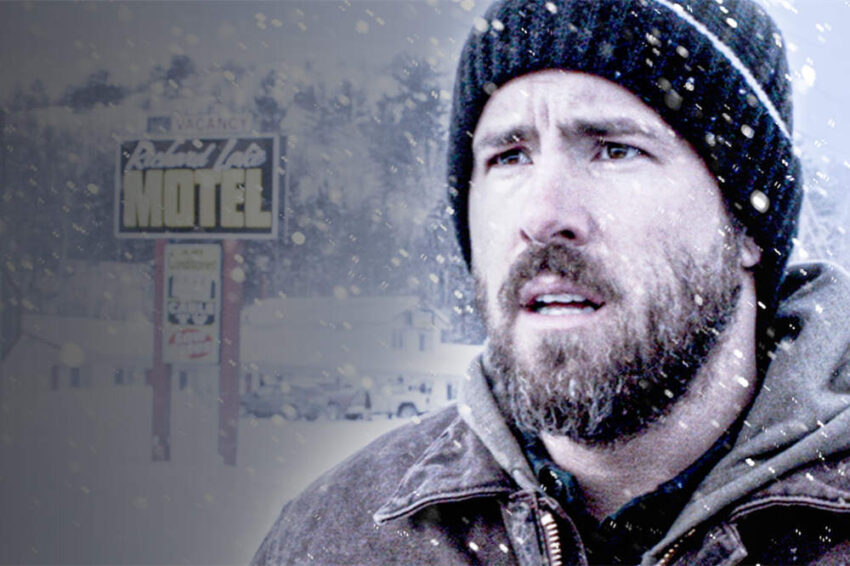
Ryan Reynolds is usually associated with Vancouver, sharp comic timing, Hollywood comedies, and the global success of Deadpool. Niagara enters his story through a quieter and darker part of his filmography: The Captive, Atom Egoyan’s 2014 psychological thriller with production ties to Niagara Falls, Ontario.
This is not a hometown story. Reynolds was born in Vancouver, British Columbia, and his public identity is much more closely tied to Canada’s West Coast than to the Niagara region. Still, The Captive gives Niagara a small but interesting place in his screen career, especially for readers who enjoy Canadian film, regional settings, and the way famous places take on different moods in movies.
Ryan Reynolds Beyond the Blockbusters
Ryan Reynolds has become one of Canada’s most recognizable entertainment figures. His career began with television and smaller screen roles before expanding into romantic comedies, action films, animated projects, thrillers, superhero franchises, production work, and business ventures.
For many viewers, Reynolds is most closely tied to Deadpool, where his quick delivery and self-aware humour helped define the character for a global audience. That image, however, only tells part of the story. Reynolds has also taken on quieter dramatic roles and darker material, including projects that sit far outside the comic-action world casual fans know best.
His Canadian background has remained part of his public appeal. Ryan Reynolds’ Canadian career includes early work, international success, producing credits, entrepreneurship, and a public image that often blends humour with a strong sense of national identity. That context makes The Captive worth revisiting. It places him inside a specifically Canadian screen story rather than a broad Hollywood franchise.
The Captive and the Niagara Setting
The clearest Niagara link in Reynolds’ filmography is The Captive. Directed by Atom Egoyan, the film stars Reynolds as Matthew, a father whose young daughter disappears after he briefly leaves her in his truck. Years later, disturbing clues suggest she may still be alive, pulling Matthew, his wife, and the investigators into a bleak story of grief, suspicion, and unresolved trauma.
The film is not a glossy travel portrait of the Falls. It uses this part of Ontario in a colder and more unsettling way. Its world is wintry, tense, and emotionally closed in. Hotels, roads, interiors, snow, and tourist-town surroundings become part of the film’s uneasy atmosphere.
A24 describes The Captive as a psychological thriller from Atom Egoyan, starring Ryan Reynolds, Rosario Dawson, and Scott Speedman. The film also appeared at the Festival de Cannes in 2014 under the title Captives, giving it an international festival profile while keeping its mood closely tied to Canadian dramatic cinema.
Production listings for The Captive identify Niagara Falls, Ontario, among the film’s shooting locations, along with Sheraton on the Falls and a Ferry Street location. For local readers, that gives the movie a recognizable regional thread, even though the story itself is fictional and far from the bright postcard image often associated with the city.
Why the Falls Work for a Thriller
Niagara Falls can look very different depending on the story being told. In travel photography, it often appears bright, misty, romantic, and dramatic. In winter, the same landscape can feel quiet, icy, and severe. That contrast gives filmmakers room to shape the region into more than one kind of setting.
A thriller can draw on the scale of the Falls without turning them into a simple landmark shot. The rush of water, the heavy mist, the hotels, the tourist streets, and the cold-season emptiness can create a mood that feels familiar but slightly unsettled. The viewer may recognize the place, yet the camera can make it feel lonely or strange.
That tension suits The Captive. The film is about absence, uncertainty, and people who cannot return to the lives they had before. The winter atmosphere supports that feeling. Instead of using the region as a cheerful destination, the movie turns it into a backdrop for emotional distance and unanswered questions.
This is one of the more interesting things about the Falls on screen. They can carry beauty and unease at the same time. The water gives a scene power and scale, while the surrounding city offers hotels, roads, restaurants, lights, and interiors that can shift from lively to isolated depending on the point of view.
A Canadian Film With a Regional Mood
The Captive also stands apart because of the people behind it. Atom Egoyan is one of Canada’s most established filmmakers, known for layered dramas that often explore memory, family, trauma, secrecy, and the fragile ways people reconstruct the past. Placing Reynolds inside that kind of story gives audiences a different view of him than the charming, fast-talking persona many associate with his biggest commercial roles.
In the film, Reynolds’ performance is quieter and more burdened. His character is a father trapped in the aftermath of loss, carrying suspicion from others while refusing to let go of hope. The role does not rely on charm or comic timing. It asks for frustration, exhaustion, and emotional restraint.
That makes the movie a useful reminder that Reynolds’ career has not followed one narrow lane. Before and alongside the blockbuster image, he worked in Canadian and dramatic projects that connect him to different kinds of storytelling. The Niagara locations give that part of his filmography a stronger regional texture.
Whatever viewers make of the film itself, its local interest remains clear. A major Canadian actor, a major Canadian director, and one of Ontario’s most recognizable destinations meet in a story shaped by winter, loss, and suspense.
Niagara’s Pop-Culture Landscape
Niagara has always been more than the Falls alone. The natural wonder is the reason many people come, but the surrounding city has developed a lively entertainment identity of its own. On the Ontario side, visitors find hotels, restaurants, casinos, arcades, themed attractions, museums, observation points, and bright tourist streets within a short walk or drive of the water.
Clifton Hill is the clearest example of that side of the city. Niagara Falls Tourism describes Clifton Hill as the “Street of Fun,” with attractions, themed restaurants, and hotels close together in one walkable area. It offers a very different experience from standing quietly at the railing near Horseshoe Falls, but both belong to the same destination.
That mix of natural drama and entertainment spectacle helps explain why film and celebrity associations fit so easily here. A visitor can spend the morning watching the water, the afternoon exploring museums or attractions, and the evening walking past neon signs, restaurants, arcades, and souvenir shops. The region has room for awe, kitsch, nostalgia, and pop culture all at once.
This is where the Reynolds film tie feels at home. Not because the area is central to his personal life, but because Niagara has long been a place where famous images, tourist experiences, and screen culture overlap.
Wax Museums, Movie Figures, and Celebrity Tourism
The region’s celebrity-friendly side is visible in its attractions. Wax museums and movie-themed stops have been part of the tourist landscape for years, giving visitors a playful way to encounter familiar faces and characters while moving through the city’s entertainment district.
Movieland Wax Museum on Clifton Hill is built around that idea. Its appeal is not tied to one star, but to the broader fun of seeing movie, television, music, and pop-culture figures in a visitor-friendly setting. It fits naturally into a city where the Falls may be the main attraction, but entertainment has become a major part of the travel experience.
For film fans, that makes Niagara an interesting place to think about screen culture. The same destination can be a dramatic backdrop in a thriller, a family getaway filled with attractions, or a pop-culture playground where visitors pose with famous figures and movie references. Those identities may seem different, but here they often sit side by side.
What This Adds for Visitors and Film Fans
The Reynolds-Niagara tie is not something most visitors need to build a full itinerary around. It is better understood as a small film-history detail that adds another layer to the region. The Falls already have scenic viewpoints, walking areas, boat tours, restaurants, hotels, and cross-border travel questions. Their screen life simply gives visitors another way to see the place.
Film fans may enjoy noticing how different the area feels depending on the season and the story. A summer visit can feel busy and bright, full of families, mist, patios, and long evenings. A winter visit can feel quieter and more cinematic, with ice along the edges, heavy spray in the air, and a sharper contrast between the natural landscape and the lights of the city.
That seasonal mood helps explain why a filmmaker might see Niagara as more than a scenic landmark. It can become a character of its own, shaping how a story feels even when the Falls are not the whole point of the scene.
Visitors interested in this side of the city could pair the classic Falls experience with a walk through Clifton Hill, a stop at a movie-themed attraction, or a closer look at the hotels and streets that give the destination its layered identity. As with any trip, hours, exhibits, ticket options, and attraction details can change, so it is always worth confirming current information with the venue or official tourism source before making plans.
Featured Image Source: netflix.com