
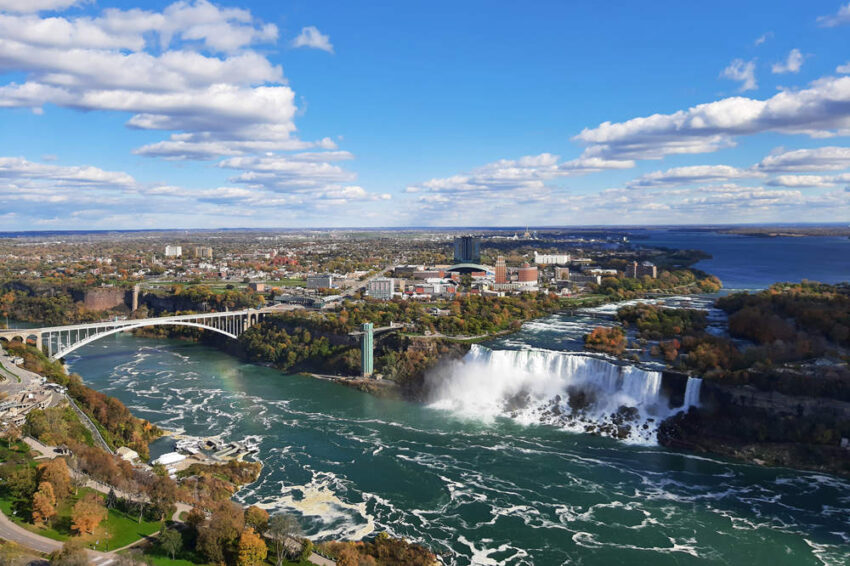
The best time to visit Niagara Falls is usually late May to late June or September after Labour Day through early October. These periods offer the best balance of comfortable weather, active seasonal experiences, scenic views, and fewer crowds than the busiest weeks of July and August.
Still, Niagara Falls is worth visiting in every season. Summer brings the most energy, winter brings dramatic scenery and lights, fall is ideal for slower scenic trips, and spring can be a smart choice for visitors who want a quieter pace. The right time depends on whether you want a classic family vacation, a romantic weekend, a photo-focused getaway, or a simple trip built around the Falls themselves.
Late May to Late June: The Best Overall Window
For most visitors, late May to late June is the easiest time to recommend. The weather is usually more comfortable for walking, the landscape feels fresh and green, and Niagara has much of its warm-season energy before the heaviest midsummer crowds arrive.
This window works especially well for first-time visitors. You can enjoy long daylight hours, misty views, gardens, riverside walks, and many seasonal experiences without the same level of traffic, hotel demand, and attraction lines that often come with July and August.
Late May and June also give visitors a stronger evening experience. For 2026, the main Niagara Falls fireworks schedule begins on May 15 and runs nightly at 10 p.m. through October 12, weather permitting. That makes late spring and early summer a good choice for travelers who want both daytime sightseeing and a memorable night view.
This period is not completely crowd-free. Weekends, holiday periods, and major event dates can still be busy, especially near the main viewing areas, Clifton Hill, Queen Victoria Park, and popular hotel districts. If you are planning a June weekend stay, book early and check current attraction hours before finalizing your itinerary.
July and August: Best for Peak Summer Energy
July and August are the classic Niagara Falls vacation months. This is when the destination feels the most active, especially for families, school-break travelers, and first-time visitors who want the liveliest version of Niagara Falls.
The days are long, the weather is warm, patios are busy, and evening walks near the illuminated Falls feel like part of the main experience. This is also the season when many visitors plan around boat tours, Journey Behind the Falls, Cave of the Winds, Clifton Hill attractions, fireworks, restaurants, and full sightseeing days on either side of the border.
The trade-off is simple: summer gives you the fullest Niagara experience, but it also requires more patience. Expect busier sidewalks, heavier traffic, more competition for parking, longer waits, and higher hotel demand. Falls-view rooms and family-friendly hotels can be especially competitive on weekends and holidays.
If you visit in July or August, start early. Mornings are usually better for major viewpoints and popular attractions, while evenings are ideal for illumination, fireworks, and a slower walk near the Falls. Families may want to plan one or two main activities per day instead of trying to fit everything into a packed schedule.
September to Early October: Best for a Relaxed Fall Trip
September after Labour Day is one of the best times to visit Niagara Falls if you want a calmer trip without losing the beauty and convenience of the main season. The weather is often still comfortable for walking, the summer rush begins to soften, and the region feels easier to enjoy at a slower pace.
Early October adds a different kind of appeal. The air turns cooler, the scenery becomes more autumnal, and the surrounding Niagara region is especially attractive for scenic drives, winery visits, photography, and side trips to Niagara-on-the-Lake.
This period is a strong choice for couples, weekend travelers, and repeat visitors who want more than the main tourist corridor. A fall itinerary can feel nicely balanced: morning views at the Falls, an afternoon drive along the Niagara Parkway, dinner in Niagara-on-the-Lake, or a relaxed stop at a local winery or farm market.
The main caution is that schedules can begin shifting later in fall. Niagara Falls itself is always open for viewing, but individual attractions, restaurants, tours, and services may adjust their hours as the season changes. Before booking around a specific activity, check the latest Niagara Parks hours of operation or the official source for that attraction.
November to March: Best for Quiet Views and Winter Atmosphere
November through March is best for travelers who want a quieter, more atmospheric Niagara Falls trip. This period does not offer the same full summer lineup, but it gives the Falls a mood that many visitors never see: colder air, icy mist, fewer crowds, and a more dramatic landscape.
November is a shoulder month. The fall rush has slowed, the holiday season has not fully taken over, and the destination often feels calmer. It can be a good time for value-minded travelers who care more about peaceful views than a packed attraction schedule.
December through February is the strongest winter window. Snow, frozen mist, festive lights, and cold-weather scenery can make Niagara Falls feel completely different from summer. The Falls are especially striking after dark, when colour and mist combine with the winter air.
Winter does require practical planning. Wind near the Falls can feel sharp, walkways may be slippery, daylight is shorter, and some seasonal experiences are limited or unavailable. Warm layers, sturdy footwear, and a flexible schedule are important.
This period is best for photographers, repeat visitors, budget-conscious travelers, and people who want a quieter view rather than a busy summer itinerary. The nightly Falls illumination also gives winter visitors a reason to stay into the evening, as long as they are dressed for the cold.
April to Early May: Best for Fewer Crowds Before Peak Season
April to early May is a useful window for travelers who want fewer crowds before Niagara Falls becomes busier. It is not the safest choice for guaranteed warm weather or a full summer atmosphere, but it can be rewarding for flexible visitors.
April can still feel cool, damp, or unpredictable, while early May usually brings greener scenery and more comfortable walking conditions. This makes May the stronger part of the spring shoulder season for visitors who want a quieter trip without feeling too far removed from the main travel period.
This is a good time for simple sightseeing, calmer viewpoints, lower-pressure hotel planning, and relaxed walks along the parkway. It can also suit travelers who have already seen Niagara Falls in summer and want a different version of the destination.
The key is to stay flexible. Some seasonal experiences may still be ramping up, and attraction hours can vary. Before planning a trip around one specific activity, confirm the current schedule with the official operator.
Month-by-Month Niagara Falls Planning Guide
Niagara Falls changes noticeably throughout the year. This quick guide can help match your travel dates to the kind of trip you want.
| Month | What to Expect | Best For |
|---|---|---|
| January–February | Cold, quiet, snowy, or icy views | Winter scenery, lights, lower crowds |
| March | Transitional and unpredictable | Flexible off-season trips |
| April | Quieter spring travel | Lower crowds, early walks |
| May | Greener, brighter, and more active | Spring scenery, softer crowds |
| June | Comfortable and lively without peak midsummer pressure | Overall sightseeing |
| July–August | Peak summer season | Families, fireworks, full vacation energy |
| September | Comfortable and calmer after Labour Day | Relaxed travel, fewer crowds |
| October | Cooler weather and fall atmosphere | Foliage, wineries, photography |
| November | Quiet shoulder season | Value-minded trips |
| December | Festive winter atmosphere | Lights, holidays, winter views |
Important Timing Tips Before You Book
The most important planning tip is to separate the Falls from the attractions around them. Niagara Falls itself can be viewed year-round, but restaurants, tours, transportation services, and individual attractions may follow seasonal schedules.
If fireworks are part of your plans, confirm the current dates before you go. Outdoor shows are weather-dependent, so it is better to treat fireworks as a highlight rather than the only reason for your trip.
Even when fireworks are not scheduled, the Falls are still worth seeing after dark. Illumination begins every evening at dusk, and the night view is one of the simplest ways to make a Niagara visit feel more memorable. Plan time for a slow evening walk if you are staying within easy reach of the main viewing areas.
Summer weekends, holiday periods, and major event dates should be booked early. This is especially true for Falls-view hotels, family-friendly stays, and restaurants in prime locations. For a calmer experience, choose weekdays whenever possible.
Packing also matters more than many first-time visitors expect. Mist near the Falls can make the air feel cooler than expected, even in warmer months. A light waterproof layer is useful in spring, summer, and fall, while winter visitors should bring warm footwear, gloves, and outerwear that can handle damp cold.
Finally, decide whether your trip will focus on the Canadian side, the U.S. side, or both. The Canadian side is known for wide panoramic views and a busier tourism district, while the U.S. side offers parkland, close-up viewpoints, and a more nature-focused feel. If you plan to cross the border, check your required travel documents before you go.
So, When Is the Best Time to Visit Niagara Falls?
For the best overall Niagara Falls trip, choose late May to late June. This period gives most visitors the strongest balance of scenery, comfort, seasonal activity, and manageable crowds.
For a calmer and more scenic visit, choose September after Labour Day through early October. This is one of the best windows for couples, photographers, wine-country side trips, and travelers who want Niagara to feel beautiful without the peak-summer rush.
Choose July or August if you want the fullest summer atmosphere, including warm weather, busy attractions, family energy, and fireworks. Choose winter weekdays if you want quiet views, lights, lower crowds, and a more dramatic seasonal mood.
There is no single bad time to see Niagara Falls. The best time is the one that matches the trip you actually want: lively, quiet, scenic, festive, or simple and easy.